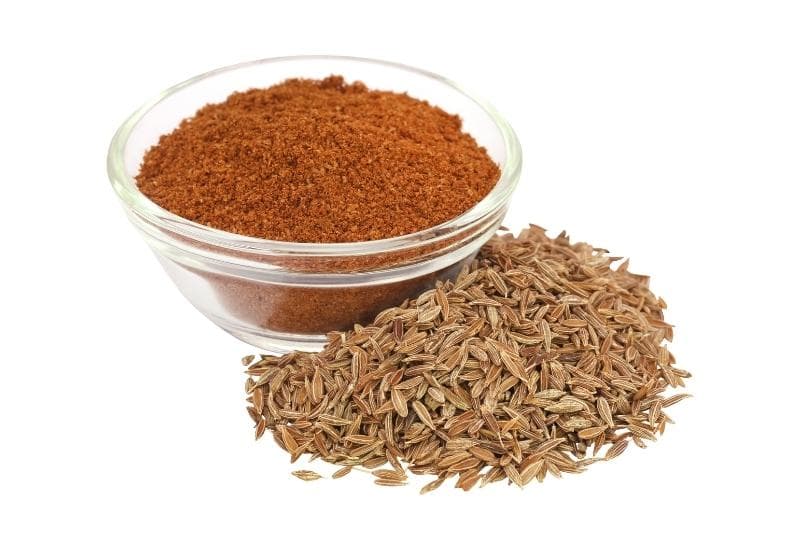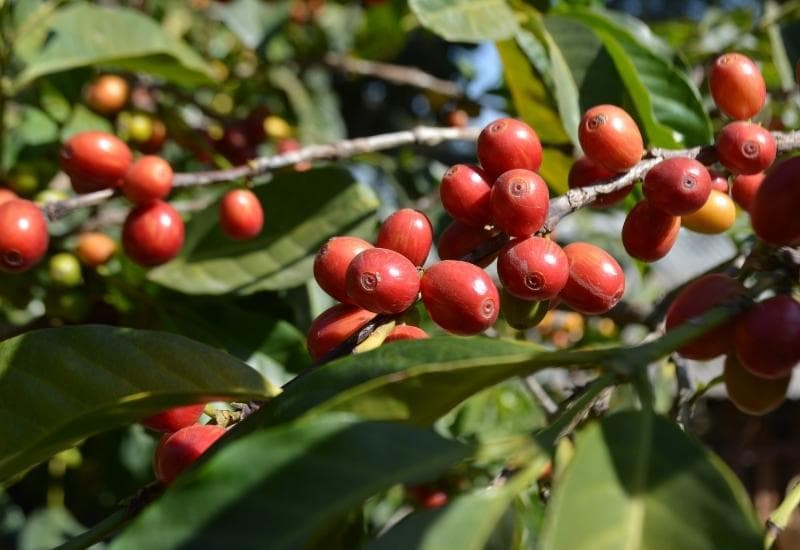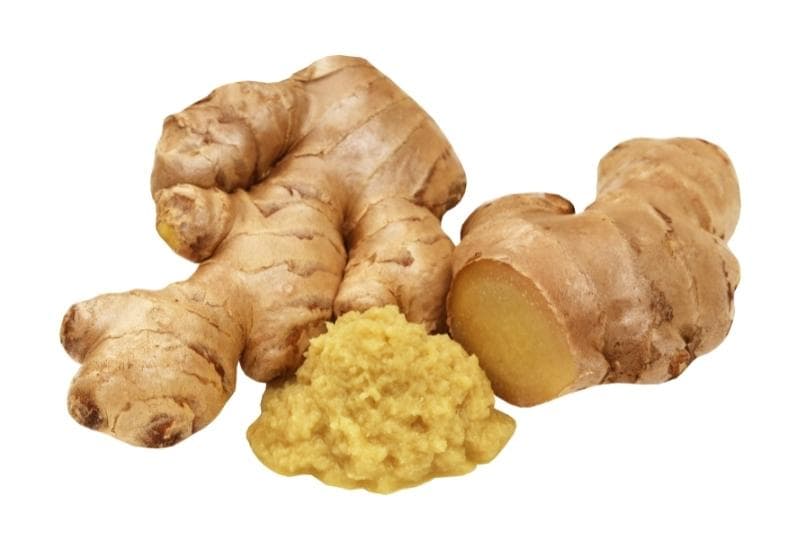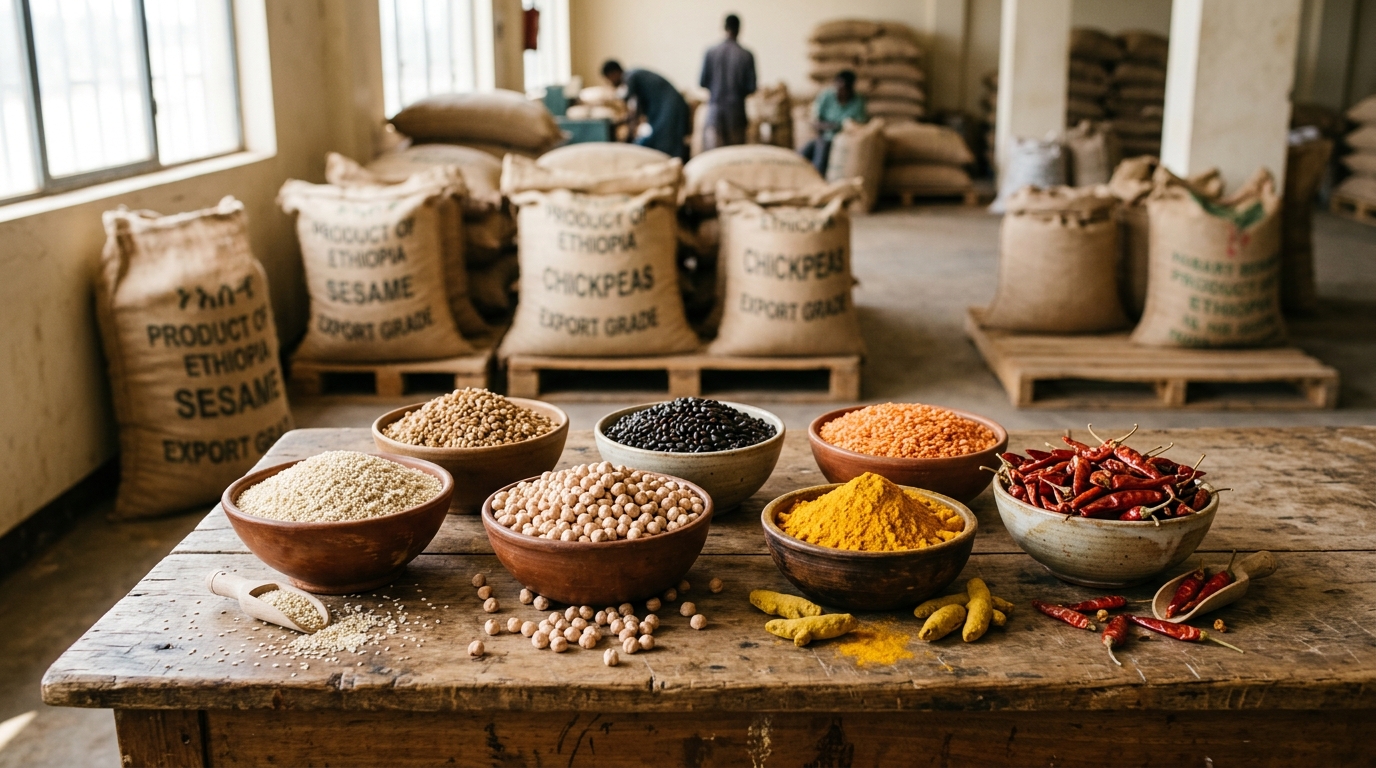
Beyond coffee, Ethiopia's agricultural export basket includes a rich and growing range of spices, oilseeds, pulses, and ancient grains that are attracting increasing attention from international food manufacturers, health food retailers, and commodity traders. From sesame seeds to turmeric, from white teff to organic chickpeas, Ethiopian agricultural products carry natural variety advantages shaped by diverse agro-ecological zones across the country — but translating that supply potential into successful international export relationships requires understanding the quality standards, documentation requirements, and market dynamics that international buyers expect.
YAMA Export Services has developed established export operations for Ethiopian spices, grains, and oilseeds, with sourcing networks across Tigray, Amhara, Oromia, and SNNPR. This guide covers the key products, their target markets, and the export process.
1. Key Ethiopian Export Crops Beyond Coffee
Ethiopia's export agricultural base extends across several high-value categories:
- Sesame Seeds: Ethiopia is one of Africa's largest sesame exporters. Humera and Metema in Tigray/Amhara produce highly valued white and mixed sesame, primarily exported to China, Israel, Turkey, Japan, and the Middle East for oil pressing and food processing. Moisture content (typically max 6%), foreign matter levels, and free fatty acid content are the primary quality benchmarks for international buyers.
- Teff: Ethiopia's ancient indigenous grain, long a staple of Ethiopian diet and increasingly sought internationally as a gluten-free, high-fiber superfood. White and mixed teff command premium prices in health food markets in Europe, North America, and Australia.
- Turmeric: Ethiopian turmeric, sourced from highland growing areas, is valued for its high curcumin content (typically 3–5%, compared to lower levels in Indian commercial varieties) and is in growing demand from European food manufacturers, supplement producers, and natural food retailers.
- Fenugreek: Widely cultivated across Amhara and Oromia regions, Ethiopian fenugreek seeds are exported for food manufacturing and pharmaceutical/nutraceutical applications. India, Europe, and the Middle East are primary destinations.
- Chickpeas and Lentils: Ethiopia produces Desi and Kabuli chickpeas and multiple lentil varieties with strong export demand in Middle Eastern, European, and South Asian markets. Protein content, grain size, and low aflatoxin levels are the key buyer specifications.
- Niger Seed: Ethiopia is the world's leading producer of Niger seed, primarily exported to North America and Europe as a premium wild bird food and pressed for edible oil.
2. Quality Standards and Certification Requirements
International buyers of Ethiopian agricultural commodities apply strict quality specifications. Key standards to understand:
- Aflatoxin Limits: The EU applies a maximum aflatoxin B1 limit of 5 ppb for direct human consumption commodities. The US FDA standard is 20 ppb total aflatoxin. Aflatoxin testing by an accredited laboratory is mandatory for all pulse and grain shipments to these markets.
- Phytosanitary Certificate: All plant product exports require a phytosanitary certificate issued by the Ethiopian Plant Health Institute (EPHI) confirming the consignment is free from regulated pests and diseases.
- Organic Certification: EU Organic Regulation (EC) 2018/848, USDA NOP (National Organic Program), and JAS (Japanese Agricultural Standard) certifications are the main international organic standards. Certified organic spices, grains, and oilseeds command premiums of 20–50% over conventional equivalent pricing.
- Moisture, Foreign Matter, and Defect Tolerances: Buyers specify maximum moisture content (typically 8–12% for grains and pulses), maximum foreign matter (typically 0.5–2%), and maximum defect percentages, all verified by laboratory certificates.
3. Export Documentation Package
A complete documentation package for Ethiopian spice and grain exports typically includes:
- Commercial Invoice (product, quantity, unit price, and total value in USD or EUR)
- Packing List (lot numbers, bag weights, gross/net weights, container seals)
- Certificate of Origin issued by the Ethiopian Chamber of Commerce
- Phytosanitary Certificate (EPHI)
- Quality/Grade Certificate from the Ethiopian Standards Institute (ESI) or approved private laboratory
- Bill of Lading (sea freight) or Airway Bill (air freight)
- Laboratory analysis certificate (aflatoxin, moisture, foreign matter)
- Organic certificate (if applicable)
4. Target Export Markets by Product
Matching each Ethiopian product to its strongest international markets maximizes price realization:
- Sesame: China (world's largest buyer), Japan (hull-less white sesame premium), Israel, Turkey, UAE, South Korea
- Teff: Netherlands, Germany, UK, USA, Canada, Australia (health food retail and food service)
- Turmeric: USA, Germany, Netherlands, UAE (food manufacturing and nutraceutical)
- Chickpeas and Lentils: India, Pakistan, Bangladesh, UAE, Egypt, Turkey, EU food processors
- Niger Seed: USA, Canada, UK, Germany (bird food retail and specialty oil)
Export Your Ethiopian Agricultural Products with YAMA
YAMA Export Services provides complete export management for Ethiopian spices, oilseeds, grains, and pulses — from crop sourcing and laboratory quality verification to phytosanitary documentation, container packing, and international freight booking via Djibouti Port. Contact our agricultural export team at +251 98 898 9805 or yamaexport@gmail.com to discuss your sourcing requirements or export volumes.