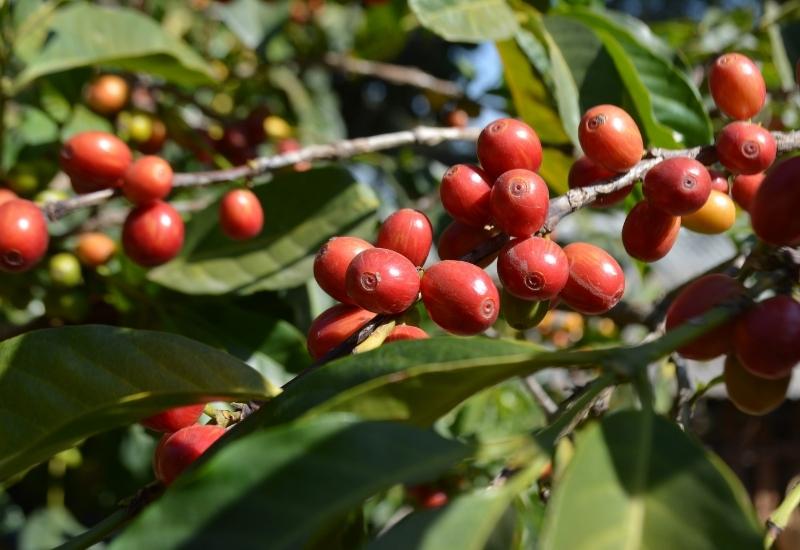
Ethiopia is coffee's birthplace, and nowhere is that heritage more visible than in its forest and semi-forest coffee systems — cherries grown under natural or lightly managed tree canopy, often from genetically diverse, un-cloned Arabica populations. For specialty roasters, these origins offer both a distinct cup profile and a compelling biodiversity and conservation story.
1. What "Forest Coffee" Means
Forest coffee grows wild or semi-wild under indigenous forest canopy with minimal human intervention beyond harvesting. Semi-forest coffee involves light management — some canopy thinning and weeding — but retains most of the natural forest structure. Both differ sharply from garden or plantation coffee grown in cleared, sun-exposed plots.
2. Origin Regions
The primary forest and semi-forest coffee zones lie in southwestern Ethiopia, particularly Bench Maji, Kaffa, Sheka, and the Yayu forest area — regions considered part of the genetic homeland of Arabica coffee.
3. Grading and Processing
- Grading: Export lots are graded by screen size and defect count, with Grade 1–2 specialty lots hand-picked and carefully sorted.
- Processing: Depending on buyer preference and cup profile targets, lots are either fully washed for a cleaner, brighter cup or naturally (dry) processed for heavier body and fruit-forward notes.
- Traceability: Because forest coffee is often collected from dispersed smallholder and forest-user groups, traceability back to a specific forest cluster or cooperative is a key value-add for buyers.
4. Key Buyer Markets
Demand is concentrated among specialty roasters in the EU, North America, and Japan, particularly those building sourcing narratives around Rainforest Alliance certification, forest conservation, or single-origin storytelling.
5. Export Documentation
Standard requirements include an ICO certificate of origin, a phytosanitary certificate, and cupping/quality reports. Certification-seeking buyers may also request forest management or conservation documentation tied to the sourcing cooperative.
Sourcing Support from YAMA
YAMA Import, Export and Construction Machinery Rental works with cooperatives in Ethiopia's forest coffee zones to coordinate quality grading, sample lots, and export logistics for roasters abroad. Contact our trade desk at +251 98 898 9805 or visit our branches in Addis Ababa, Mekelle, Bahir Dar, Dire Dawa, and Hawassa to discuss sample lots and shipping schedules.