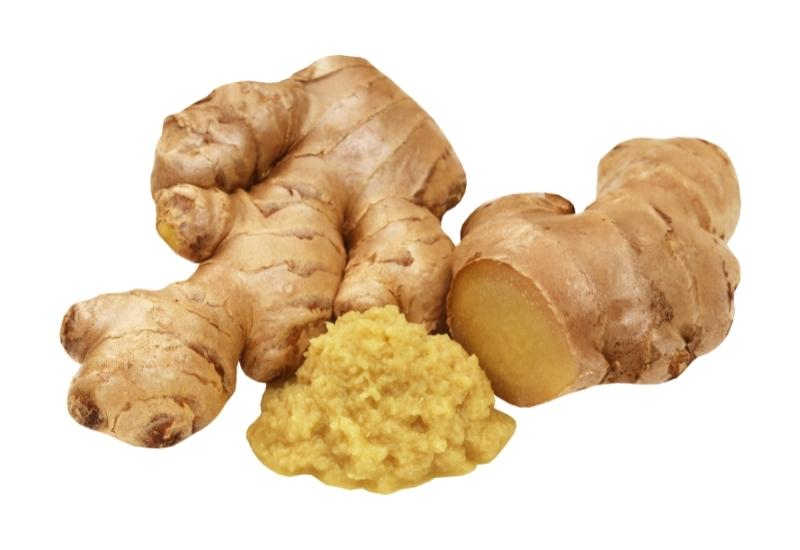
Ethiopian ginger (Zingiber officinale) is grown mainly across the country's southern and southwestern highlands, where cool, humid conditions and volcanic soils support rhizomes with notably high oleoresin and pungency levels. For buyers used to sourcing from Asian suppliers, Ethiopian ginger offers a distinct, sharper flavor profile that is gaining attention in both fresh produce and processed spice markets.
1. Growing Regions
Ginger cultivation is concentrated in Wolaita, Kembata, Sheka, and other zones within the Southern Nations region, where smallholder farmers typically grow it as a cash crop alongside enset and root vegetables.
2. Fresh vs. Dried Export
- Fresh rhizomes: Exported whole after curing and size grading. Fresh ginger requires careful post-harvest handling to prevent shriveling and rot before it reaches port.
- Dried split ginger: Rhizomes are sliced and sun- or mechanically dried, extending shelf life significantly and reducing shipping weight and spoilage risk.
- Ginger powder: Milled from dried ginger, this form is the most freight-friendly and is favored by buyers without cold storage or fast inland distribution at the receiving port.
3. Logistics Considerations
Fresh ginger for export needs a maintained cold chain from farmgate to port and requires phytosanitary certification confirming freedom from pests and soil-borne pathogens. Dried and powdered forms avoid most of this complexity, making them the more practical choice for buyers without reefer container access or fast customs clearance.
4. Quality Grading
Buyers typically grade fresh ginger by rhizome size, skin condition, and fiber content, while dried ginger is assessed on oleoresin percentage, moisture content, and slice uniformity.
5. Export Documentation
Standard paperwork includes a phytosanitary certificate, certificate of origin, and for fresh shipments, a cold-chain handling declaration. EU and North American buyers may also request pesticide residue testing.
Sourcing Support from YAMA
YAMA Import, Export and Construction Machinery Rental coordinates ginger sourcing in both fresh and dried form, including grading, cold-chain arrangements, and export documentation. Contact our trade desk at +251 98 898 9805 or visit our branches in Addis Ababa, Mekelle, Bahir Dar, Dire Dawa, and Hawassa to discuss volumes and shipping options.