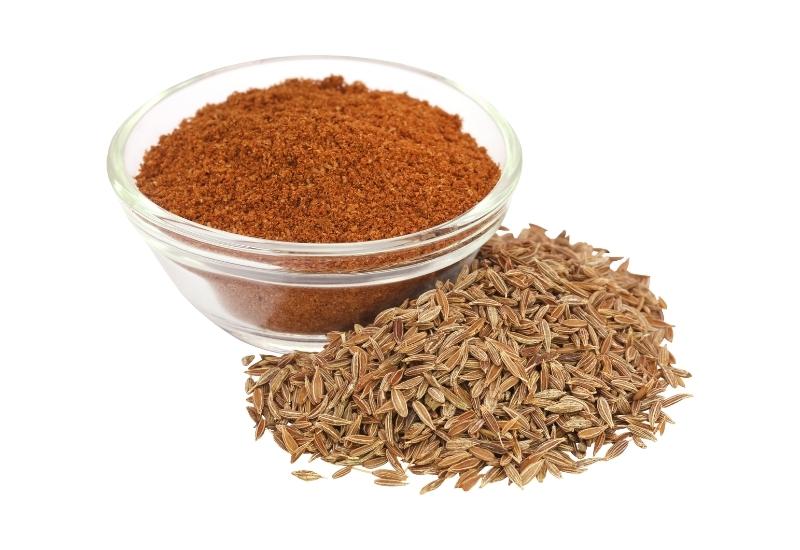
Ajowan (Trachyspermum ammi), sometimes called carom seed, is a thymol-rich spice with a sharp, thyme-like aroma that is central to South Asian pickling, frying, and traditional medicine preparations. While it is a minor crop by volume in Ethiopia compared to staples like teff or coffee, demand from South Asian and Gulf spice importers has made it an increasingly attractive niche export for cooperatives able to meet cleanliness and moisture standards.
1. Growing Conditions and Regions
Ajowan favors warm, semi-arid lowland conditions with well-drained soil, similar to the environments suited to cumin and fennel. In Ethiopia, cultivation is concentrated in limited pockets of the lowland agricultural belts, often intercropped or grown in rotation by smallholders rather than as a dedicated monocrop.
2. Export Grading Standards
- Cleanliness: Export-grade ajowan should carry less than 2% foreign matter (stems, stones, chaff) after mechanical or hand cleaning.
- Moisture content: Held below 10% to prevent mold growth and volatile oil degradation during long sea transit.
- Seed uniformity: Buyers typically grade on seed size consistency and color, favoring a uniform grey-brown seed free of immature or shriveled grains.
3. Packaging and Shipping
Because ajowan's value lies largely in its volatile thymol oil content, packaging matters. Standard export packing uses 25kg multi-wall paper or jute sacks with polyethylene liners to slow moisture ingress and oil loss. For premium or specialty-grade buyers, vacuum-sealed or nitrogen-flushed bags are increasingly requested to preserve aroma over multi-week transit.
4. Key Buyer Markets
The largest demand pools for Ethiopian ajowan are India and Pakistan, where it is a kitchen staple, followed by Gulf state importers and a smaller but growing specialty spice market in Europe seeking traceable, single-origin lots.
5. Documentation Buyers Expect
A certificate of analysis (moisture, purity, foreign matter), a phytosanitary certificate from Ethiopia's Ministry of Agriculture, and a certificate of origin are standard requirements. EU-bound shipments increasingly require pesticide residue testing as well.
Sourcing Support from YAMA
YAMA Import, Export and Construction Machinery Rental coordinates sourcing, grading, and export documentation for ajowan seed shipments from farm cluster to port. Contact our trade desk at +251 98 898 9805 or visit our branches in Addis Ababa, Mekelle, Bahir Dar, Dire Dawa, and Hawassa to discuss volumes and shipping schedules.