Ethiopia is the birthplace of coffee and remains one of the world's most sought-after origins for specialty Arabica beans. With annual export volumes exceeding 200,000 metric tonnes and growing global demand for traceable, single-origin specialty coffee, Ethiopian coffee export represents one of the country's most significant foreign exchange earning sectors. Yet navigating the regulatory framework, quality certification system, and international logistics pipeline requires careful preparation — particularly for businesses entering the export market for the first time.
YAMA Export Services has been facilitating Ethiopian agricultural exports since our founding, with established logistics, documentation, and quality assurance processes across the full export pipeline. This guide outlines what exporters and international buyers need to know about Ethiopian coffee.
1. Ethiopian Coffee Origins and Regional Flavor Profiles
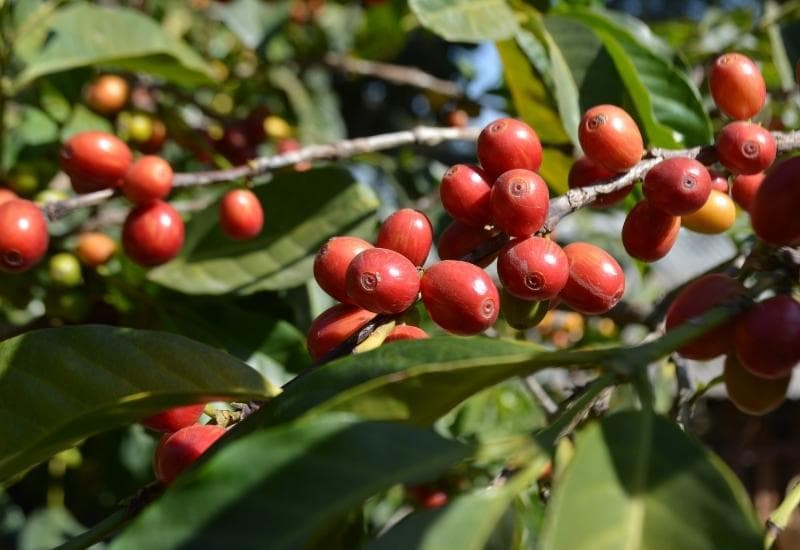
Ethiopia produces coffee across five major growing regions, each with distinct flavor profiles that command significant premiums in specialty and third-wave coffee markets:
- Yirgacheffe (Gedeo Zone, SNNPR): Widely regarded as Ethiopia's most celebrated origin. Washed Yirgacheffe coffees are renowned for their bright citrus acidity, floral jasmine and bergamot aromas, and clean tea-like body. Consistently among the highest-priced Ethiopian coffees on international markets.
- Sidama: Produces both washed and natural coffees with a rich fruit-forward profile, stone fruit notes, and a fuller body compared to Yirgacheffe. The Sidama Coffee Farmers Cooperative Union is one of Ethiopia's largest organized export cooperatives.
- Jimma (Kaffa Zone): One of Ethiopia's largest producing regions, delivering significant commercial volume with earthy, wine-like, and chocolate notes. Important for blended espresso and food service markets.
- Harrar (Harari Region): Dry-processed natural coffees with bold blueberry, wine, and mocha characteristics. Particularly popular in Middle Eastern markets and among espresso blenders in Europe.
- Guji: An emerging origin producing premium washed and natural lots with complex florals and tropical fruit notes, increasingly sought by specialty roasters in North America and Japan.
2. The ECX (Ethiopian Commodity Exchange) System
Since 2008, all commercial coffee traded for export must flow through the Ethiopian Commodity Exchange (ECX), which provides standardized grading, warehouse receipts, and price discovery. Understanding this system is essential for any exporter:
- ECX Grades: Coffee is classified by the number of defects per 300g sample — Grade 1 (0–3 defects, specialty grade), Grade 2 (4–12 defects), Grade 3 (13–25 defects), and lower grades for commercial markets. Grade 1 and Grade 2 coffees carry the highest export premiums and qualify for specialty market certifications.
- Washed vs. Natural Processing: Washed (wet-processed) coffees go through pulping, fermentation, washing, and raised-bed drying, producing cleaner, brighter cup profiles. Natural (dry-processed) coffees are dried whole, developing fruit-forward complexity. Both are traded through ECX with separate grade categories.
- Direct Specialty Export: Since 2017, the Ethiopian government has allowed certified specialty exporters to purchase coffee directly from cooperatives and washing stations without routing through ECX for lots meeting Grade 1 specialty standards — opening significant opportunities for traceable, single-origin export relationships with international specialty roasters.
3. Export Licensing and Regulatory Requirements
Ethiopian coffee export is regulated by the Ministry of Trade and Regional Integration (MoTRI) and the Ethiopian Coffee and Tea Authority (ECTA). Key requirements include:
- Export Trade License: A valid export trade license registered under the relevant category at MoTRI, with the coffee export sub-category included in the license scope.
- Phytosanitary Certificate: Required for all coffee shipments — issued by the Ethiopian Plant Health Institute (EPHI) following laboratory inspection to confirm the consignment is free from pests, diseases, and contaminants meeting the importing country's phytosanitary requirements.
- Coffee Quality Certificate: Issued by ECTA upon verification that the lot meets the specified export grade, origin, and moisture content requirements (moisture content must typically be 11–12.5% for export).
- Organic and Fair Trade Certification: Optional but highly valuable certifications for premium market segments. Ethiopia has a large organic-certified production base, and Fair Trade or Rainforest Alliance certification significantly enhances access to European and North American retail markets.
4. Packaging and International Logistics
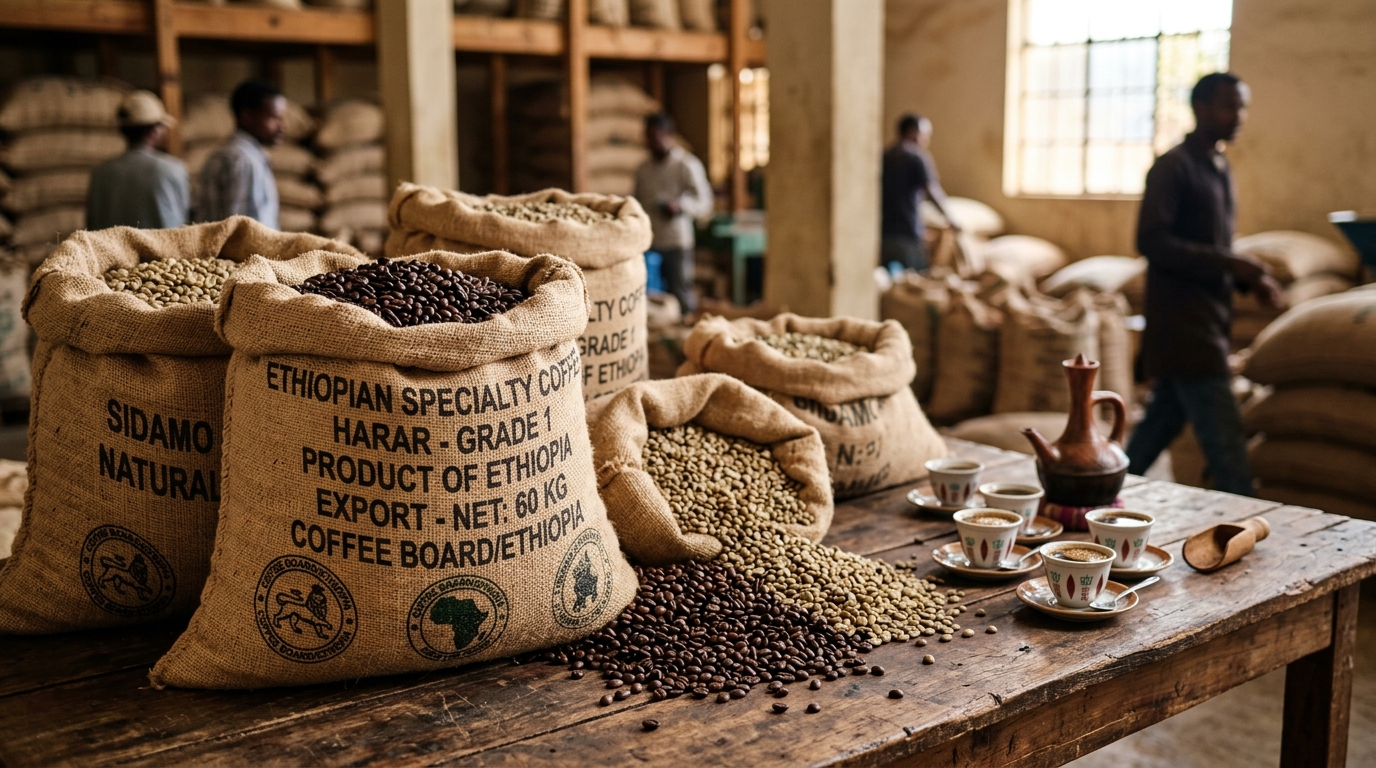
Ethiopian coffee is exported in standard 60-kg jute burlap sacks, with grain poly liner bags inside for moisture protection on container shipments. Key packaging and logistics points:
- Container Loading: Standard 20-foot dry containers hold approximately 275–280 bags (16–17 MT). Temperature and humidity conditions inside containers during the Djibouti transit must be managed — containers should be pre-inspected and ventilated to prevent moisture build-up during transit.
- Shipping Routes: Ethiopian coffee moves by truck to Djibouti Port, then by sea freight to destination ports in Europe (Hamburg, Rotterdam, Trieste), North America (New York, Long Beach), the Middle East, and Asia (Osaka, Shanghai).
- Grainpro or Vacuum Packing for Specialty: High-value specialty lots are increasingly shipped in GrainPro or Ecotact hermetic bags inside the jute outer sack, or in vacuum-sealed specialty packaging, to preserve green coffee freshness and cup quality over long transit times.
5. Finding International Coffee Buyers
Ethiopian coffee commands strong international demand, and connecting with the right buyers requires a multi-channel approach:
- Specialty Coffee Roasters: Specialty roasters in Europe, Japan, the US, and Australia actively seek direct relationships with Ethiopian producers and exporters for traceable single-origin lots. Platforms like Cup of Excellence, the Specialty Coffee Association (SCA) trade events, and trade shows such as World of Coffee provide direct buyer access.
- Coffee Importers and Green Traders: Established green coffee importers such as Sucafina, Volcafe, and regional specialty traders purchase large commercial volumes and facilitate distribution to roasters who do not buy direct. These buyers typically require consistent volume, grade reliability, and good documentation compliance.
- Middle Eastern and Asian Markets: Growing specialty coffee consumption in Saudi Arabia, UAE, Japan, and South Korea creates strong demand for premium Ethiopian origins, often at attractive premiums over commodity futures prices.
Partner with YAMA for Ethiopian Coffee Export
YAMA Export Services manages the complete Ethiopian coffee export pipeline — from ECX procurement and quality sorting to phytosanitary documentation, container loading, and international freight booking. Whether you are an international buyer seeking a reliable Ethiopian supply partner or a local producer looking to access export markets, contact our export desk at +251 98 898 9805 or email yamaexport@gmail.com to discuss your coffee sourcing requirements.