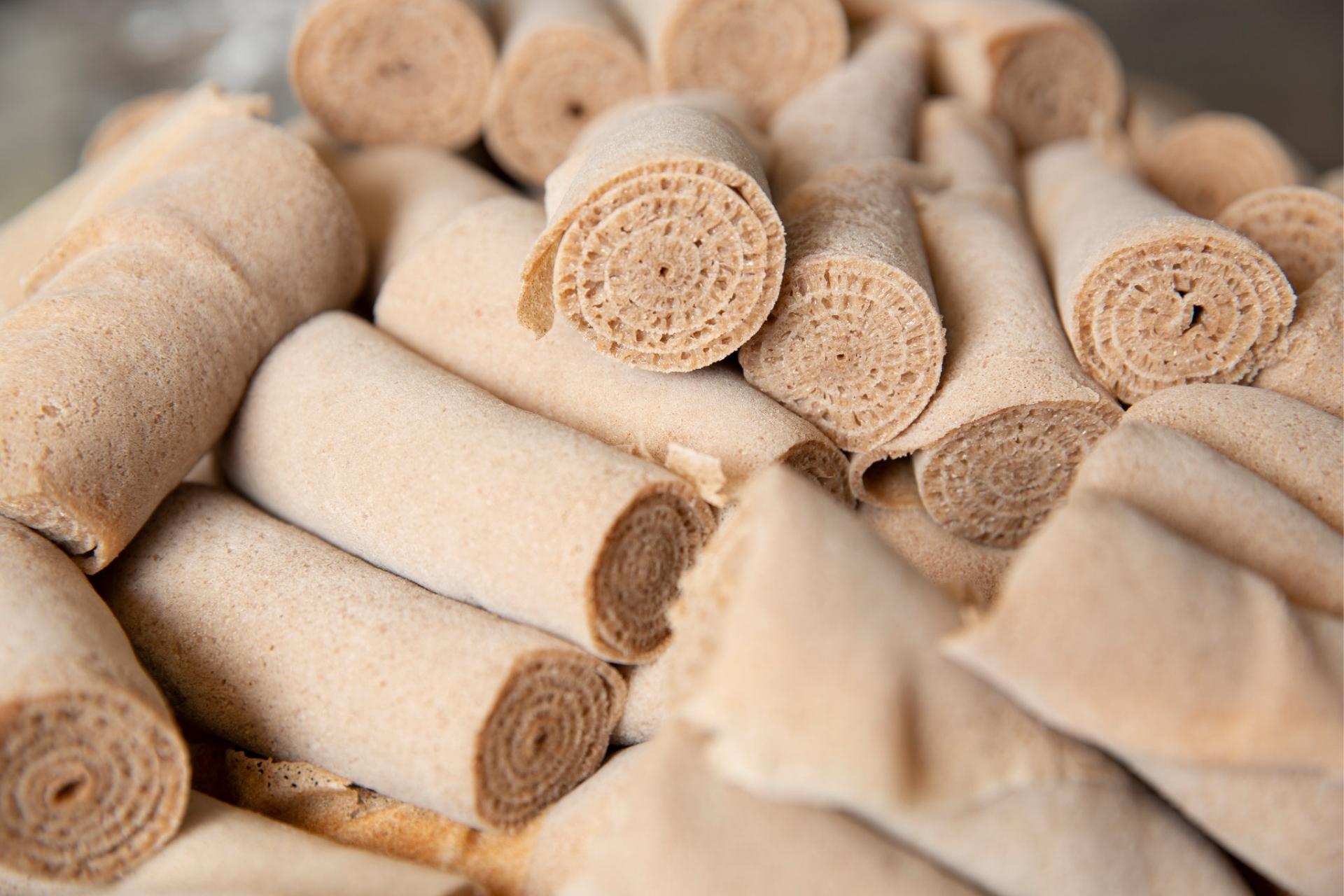
Injera, the iconic, spongy, naturally fermented sourdough flatbread that forms the centerpiece of every Ethiopian meal, is rapidly gaining international acclaim far beyond East Africa. Driven by a global explosion in gluten free living, plant based diets, and functional superfood nutrition, both raw Eragrostis tef (Teff) grain and freshly baked, vacuum packed injera are experiencing unprecedented commercial demand across Europe, North America, the Middle East, and Australia.
Behind the soft, rollable texture and delicate tangy flavor of an authentic injera roll lies an ancient agricultural heritage and complex fermentation science. YAMA Export Services explores the nutritional superiority of Ethiopian teff, the culinary biology of sourdough injera, and the modern international logistics that deliver fresh injera across continents within 24 to 48 hours.
1. The Nutritional Superfood Profile of Teff Grain
Teff is one of the world’s tiniest grains, roughly 1/150th the size of a single wheat kernel, meaning the bran and germ comprise the vast majority of the seed. Because it cannot easily be stripped or refined, teff is always consumed as a 100% whole grain:
- Naturally 100% Gluten Free: Teff contains none of the gluten proteins found in wheat, barley, or rye, making it completely safe and easy to digest for individuals with celiac disease, gluten sensitivity, or autoimmune conditions.
- Outstanding Mineral Density: Teff is exceptionally rich in highly bioavailable iron, calcium (with more calcium per gram than most grains), magnesium, potassium, and zinc. For generations, this mineral density has sustained the legendary stamina of Ethiopian highland long distance marathon runners.
- Complete Amino Acid Complex: Teff contains all eight essential amino acids, including abundant lysine, an amino acid typically deficient in wheat, corn, and rice.
- Low Glycemic Index and Prebiotic Fiber: Teff’s complex carbohydrates and high concentrations of resistant starch feed beneficial gut flora and promote slow, sustained glucose release, making it ideal for diabetic and athletic nutrition.
2. The Fermentation Science Behind the "Ayen" (Spongy Honeycomb Texture)
Authentic Ethiopian injera cannot be manufactured with conventional instant yeast or baking powder. Its distinctive soft, elastic, and airy crumb is produced through a multi day wild sourdough fermentation:
- The "Ersho" Starter: Milled teff flour is blended with pure water and inoculated with ersho, a mature, living liquid sourdough culture cultivated over generations.
- Lactic Acid and Yeast Symbiosis: Over 72 to 96 hours, native wild yeasts and lactic acid bacteria (principally Lactobacillus and Leuconostoc species) ferment the teff sugars. This natural acidification lowers the pH to approximately 3.8 to 4.2, producing injera’s signature pleasant tartness while acting as a natural preservative that inhibits mold and pathogenic bacteria.
- The "Absit" Gelatinization: Mid way through fermentation, a portion of the batter is cooked into a hot porridge called absit and blended back into the dough. This gelatinizes the teff starches, imparting elasticity and binding moisture without requiring artificial gums or binders.
- Baking on the Mitad: The bubbling, gaseous batter is poured in concentric circles onto a clay griddle (mitad) heated to roughly 190°C. Steam bubbles rise through the batter, forming thousands of tiny vertical vents known as ayen (eyes). When covered with a conical lid, the top steams tender while the base develops a smooth, non stick crust.
3. Export Product Formats: Grain vs. Packaged Injera
International commercial buyers can access Ethiopian teff through two primary product pathways:
- Cleaned Bulk Teff Grain: Available in Magna (ultra white, highest commercial value), Sergegna (mixed brown and white), and Brown or Red Teff (richest in iron and earthy flavor). Cleaned to 99.5% purity via gravity separators, bagged in 25 kg and 50 kg food grade bags, and containerized for sea freight to international industrial mills, gluten free bakeries, and pasta manufacturers.
- Fresh Ready to Eat Injera: Baked daily in certified commercial bakeries in Addis Ababa under strict hazard analysis critical control point (HACCP) standards. Injera rounds are rolled, sealed in modified atmosphere packaging (MAP) or vacuum food grade sleeves, and shipped fresh to international distributors.
- Blast Frozen Injera: Shock frozen immediately post bake to lock in cellular moisture and elasticity. Offers up to 12 months shelf life for supermarket retail and restaurant food service, defrosting with identical texture and aroma.
4. Cold Chain and Air Cargo Logistics: Addis Ababa to the World
Because fresh injera has a sensitive ambient shelf life, export distribution leverages Ethiopia's position as Africa's premier aviation hub:
- Ethiopian Airlines Cargo Network: Daily direct wide body freighter and passenger flights connect Bole International Airport in Addis Ababa to major metropolitan hubs including Washington Dulles, London Heathrow, Frankfurt, Dubai, Tel Aviv, and Toronto.
- Rapid Dispatch Timeline: Injera baked at dawn is packaged, phytosanitary inspected by the Ministry of Agriculture, customs cleared, and loaded onto evening flights, landing on retail shelves in Europe, the Middle East, or North America within 24 to 36 hours.
- Modified Atmosphere Packaging (MAP): Replacing packaging headspace with inert nitrogen carbon dioxide gas mixtures extends fresh, non refrigerated shelf life to 7 to 10 days without chemical preservatives.
5. Sourcing Teff and Injera with YAMA Export Services
Whether you operate a supermarket chain, a health food distribution network, an Ethiopian dining group, or a specialized gluten free bakery brand, YAMA Export Services provides turnkey supply contracts for both premium bulk teff grain and wholesale packaged injera. We oversee rigorous phytosanitary certification, lab purity testing, export customs processing, and expedited air or sea freight booking.
Contact our export team at +251 98 898 9805 or email yamaexport@gmail.com to request sample shipments, packaging specifications, and commercial supply agreements.