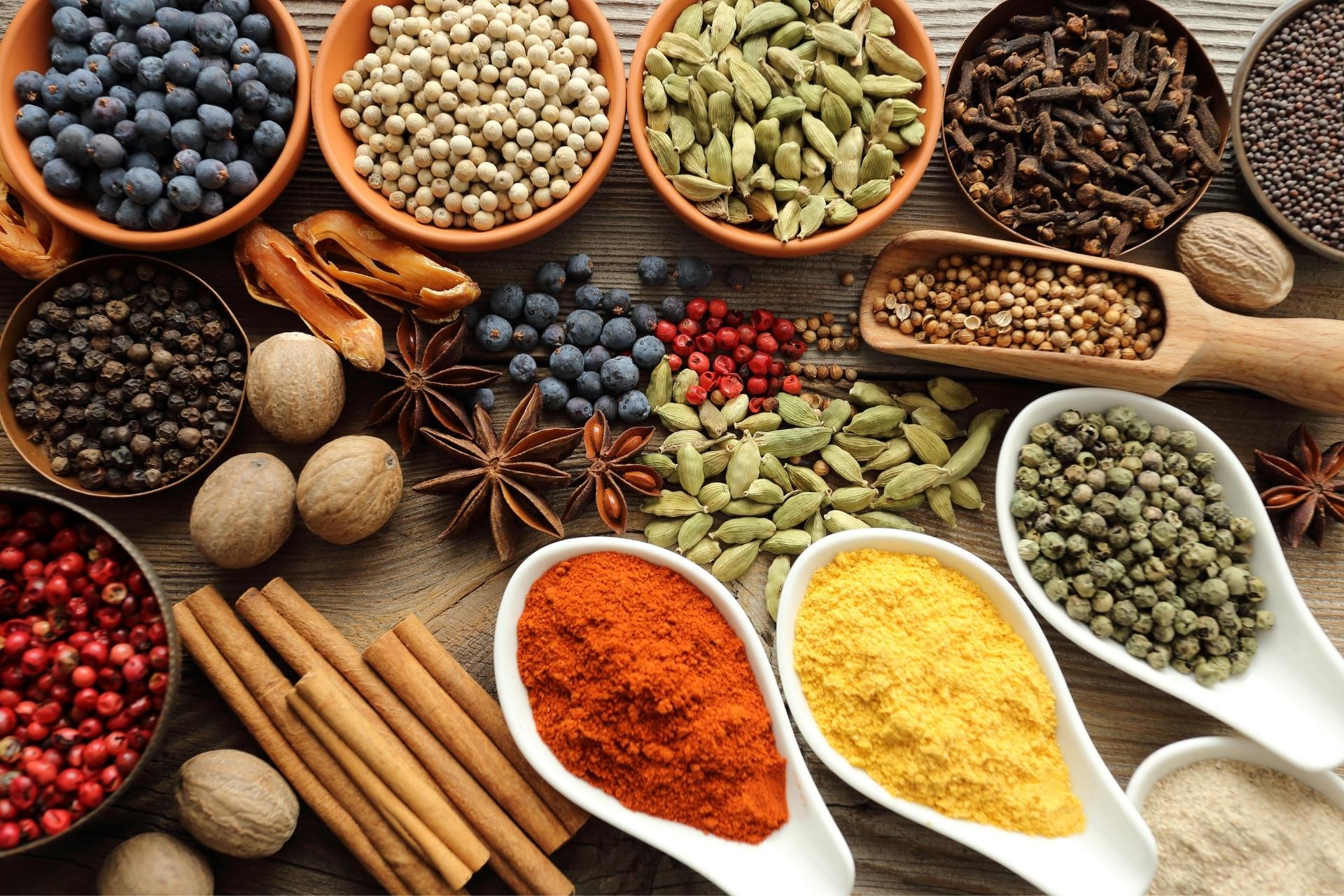
For centuries, Ethiopia has stood as a pivotal crossroads of global trade routes, connecting the Red Sea, the Horn of Africa, the Nile Valley, and the Arabian Peninsula. While coffee is Ethiopia’s most famous botanical, the nation’s diverse topography, ranging from moist sub tropical highland valleys to semi arid lowlands, nurtures an extraordinary botanical treasury of high potency culinary spices, ancient oilseeds, and aromatic herbs that define both traditional Ethiopian cuisine and international culinary formulations.
From whole black cumin and golden fenugreek to sun dried red chilis, coriander, and heirloom turmeric, international food manufacturers, extractors, and wholesale spice blenders are increasingly looking to Ethiopia for single origin purity and high essential oil content. This guide provides an overview of Ethiopia's premier export spices, processing standards, and international sourcing dynamics.
1. The Keystone Ethiopian Spices and Oilseeds
Ethiopian agricultural soils and organic smallholder farming practices produce spices characterized by high essential oil density and potent aromatic compounds:
- Nigella Sativa (Tikur Azmud / Black Seed / Black Cumin): Highly prized worldwide for both culinary seasoning and high thymoquinone cold pressed wellness oils. Ethiopian nigella seeds feature an intense matte black coloration, sharp peppery pungency, and exceptional purity levels when processed with modern seed cleaners.
- Fenugreek (Abish): Golden hued, rhombic seeds rich in dietary fiber, protein, and 4 hydroxyisoleucine. Used globally in curry powders, spice rubs, dietary supplements, and maple flavoring synthesis. Ethiopia produces high grade fenugreek primarily across Amhara and Oromia.
- Korarima (Ethiopian False Cardamom / Aframomum corrorima): An indigenous botanical marvel native to southwestern montane cloud forests. Korarima pods house glossy dark seeds with a warm, complex, camphoraceous and sweet herbal aroma that outperforms standard commercial cardamoms in premium seasoning and confectionery.
- Hot Chilis and Paprika (Mitmita and Berbere Components): Ethiopia produces small, highly pungent birds eye chilis (mitmita chili) alongside larger high capsanthin red peppers that impart vivid crimson color and deep earthy heat without artificial dyes or additives.
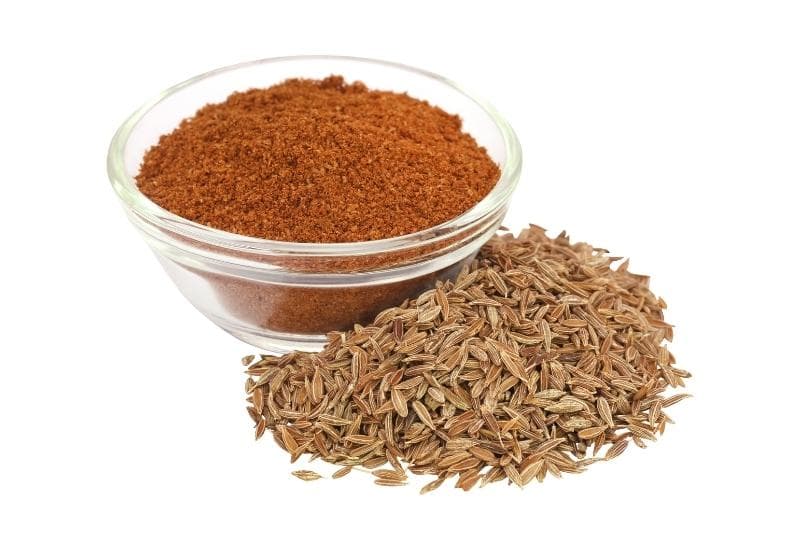
- Ajowan / Carom Seed (Nech Azmud): Distinctively high in thymol, delivering an intense herbaceous aroma similar to concentrated thyme. High demand from South Asian, Middle Eastern, and pharmaceutical markets.
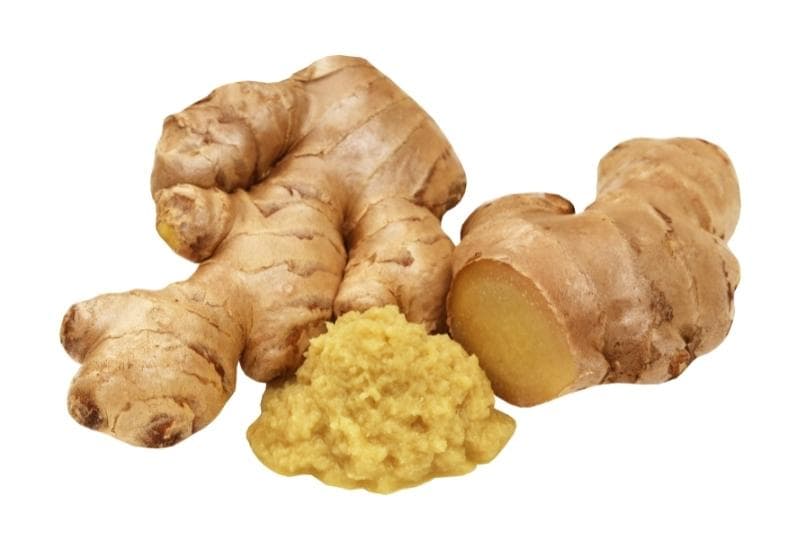
- Turmeric (Ird) and Ginger (Zingibil): Grown in fertile southern soils, Ethiopian turmeric roots feature high curcuminoid content (often exceeding 4 to 5%), while highland ginger offers robust oleoresin concentrations and zesty pungency.
2. Global Market Applications
Demand for Ethiopian spices spans multiple industrial and retail segments across Europe, North America, the Middle East, and Asia:
- Industrial Food Processors: Meat processors, savory snack manufacturers, and pickle makers utilize whole and ground Ethiopian spices for natural flavoring and preservation.
- Specialty Seasoning Blenders: Diaspora communities and mainstream gourmet culinary brands require authentic unadulterated ingredients to blend traditional Berbere (the cornerstone 16 spice blend), Mitmita, and Mekelesha.
- Nutraceuticals and Cold Press Extractors: Health food manufacturers specifically source Ethiopian black seed and fenugreek for functional oil pressing, dietary capsules, and herbal formulations.
3. Quality Cleaning, Sorting and Grading Standards
To meet exacting sanitary and phytosanitary (SPS) regulations in destination markets, raw farmgate harvest undergoes thorough post harvest processing:
- Mechanical Air Screen and Gravity Separation: Multi deck vibrating sieves and air aspirators remove dust, chaff, broken seeds, and foreign matter, ensuring a minimum purity rating of 98.5% to 99.5%.
- Moisture Management: Seeds and dried pods are dried to below 9 to 10% moisture content, preventing fungal proliferation, mycotoxin generation, and volatile aroma dissipation during maritime transit.
- Laboratory Screening: Accredited pre shipment laboratories inspect lots for aflatoxin levels (B1 and total), microbiological limits (Salmonella and E. coli negative), and heavy metal tolerances under strict international food safety protocols.
4. Export Packaging and Transit Protection
Preserving volatile essential oils during the voyage from the Ethiopian highlands through the tropical Port of Djibouti is vital:
- Multi Wall Kraft Paper and Poly Lined Bags: 25 kg and 50 kg woven polypropylene sacks fitted with inner food grade polyethylene moisture barriers shield delicate spices from atmospheric humidity.
- Hermetic and Vacuum Packaging: High value spices like ground turmeric, peeled ginger, and whole korarima seeds can be vacuum packaged in nitrogen flushed foil bags for specialty retail distribution.
- Container Care: Sea containers are outfitted with high capacity desiccant poles and cardboard lining to prevent container rain condensation across ocean transit.
5. Sourcing Spices with YAMA Export Services
Navigating seasonal crop cycles, rural aggregation, laboratory certifications, and international freight requires an experienced on the ground trade team. YAMA Export Services coordinates direct aggregation from farming cooperatives, manages mechanical sortation in Addis Ababa, and handles all phytosanitary and customs documentation for seamless CIF or FOB shipping.
To request product technical data sheets, certificate of analysis specifications, or wholesale container quotations, contact our agricultural export desk at +251 98 898 9805 or email yamaexport@gmail.com.