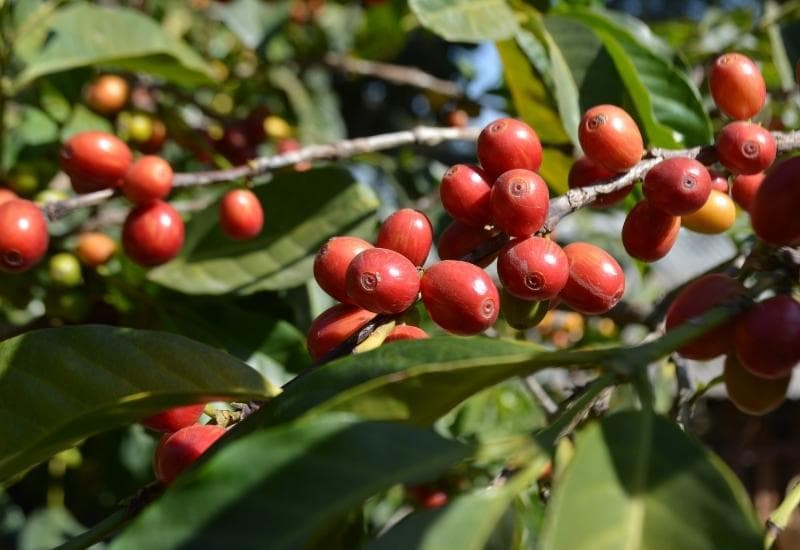
For over a century, Ethiopia’s dominance in the global coffee economy has centered almost exclusively on the export of raw green beans. While green beans provide the raw commodity for roasters worldwide, exporting unroasted coffee captures only a modest fraction of the final retail value. Today, a bold paradigm shift is transforming Addis Ababa's specialty coffee scene: the rapid rise of origin-roasted Ethiopian specialty coffee exports.
By roasting, nitrogen-flushing, and packaging single-origin Arabica beans right at source—where cherries are harvested, cupped, and fresh off the highlands—Ethiopian coffee enterprises retain greater economic value locally while offering international retailers, private-label brands, and supermarket chains an authentic, freshly roasted product with unbeatable origin storytelling. YAMA Export Services breaks down the roasting technology, shelf-life preservation, regulatory compliance, and rapid air-cargo logistics essential for successful roasted coffee export.
1. Why Source Origin-Roasted Coffee from Ethiopia?
Exporting roasted coffee directly from the birthplace of Arabica offers compelling competitive advantages for international coffee brands, gourmet supermarkets, and hospitality operators:
- Unrivaled Freshness & Immediate Crop Access: In-country roasters roast green coffee immediately following the harvest and milling season, eliminating months of green bean maritime degradation, humidity exposure in ocean containers, and warehouse storage aging.
- Economic Justice & Value-Addition at Origin: Roasting at origin keeps up to 300% more economic value within Ethiopia, supporting local master roasters, packaging designers, and smallholder farming communities rather than exporting raw commodity wealth abroad.
- Authentic Cultural Heritage & Direct Sourcing: Consumers are willing to pay significant retail premiums for specialty beans roasted and sealed in Addis Ababa, accompanied by verifiable direct-trade provenance and certified Ethiopian origin stamps.
- Flexible OEM & Private-Label Manufacturing: International distributors can launch proprietary specialty coffee product lines with custom packaging, branded retail pouches, and bespoke roast profiles without investing millions in domestic roasting machinery.
2. Roast Profiles Tailored to Ethiopian Terroirs
Ethiopian coffees are celebrated for extraordinary cup complexity—spanning bright jasmine florals and citric bergamot to wild blueberry and dark chocolate notes. Preserving these delicate origin characteristics requires roasting precision:
- Light to Medium Roasts (Filter & Pour-Over): Best suited for washed Yirgacheffe, Guji, and Sidama Grade 1 lots. Gently roasted to a drop temperature of 204°C–208°C, highlighting delicate floral aromatics, tea-like clarity, and vibrant malic acidity without roasty bitterness.
- Medium-Dark Roasts (Espresso & Full-Bodied Blends): Ideal for naturally processed Harar, Limu, and Jimma beans. Developed to caramelize natural mucilage sugars, unlocking heavy velvety body, dark cocoa tones, and ripe stone-fruit sweetness that cuts through milk in specialty cafe espresso drinks.
- Traditional Ethiopian Dark Roast (Buna Ceremony Style): Roasted to a rich, glossy dark profile with low acidity, intense smoky aromatics, and lingering spice notes, catered specifically to diaspora communities, traditional middle eastern coffee rituals, and cold-brew blenders.
3. Packaging Science & Shelf-Life Extension for Global Transit
The primary technical challenge of exporting roasted coffee is oxidation and staling. Once roasted, whole beans release large volumes of carbon dioxide (CO₂) while being susceptible to oxygen and ambient humidity. Overcoming this requires industrial food packaging science:
- Tri-Laminate High-Barrier Foils: Retail pouches are manufactured from multi-layer PET / Aluminum / PE or eco-friendly high-barrier barrier films that provide an impenetrable barrier against oxygen transmission, UV light, and humidity.
- One-Way Degassing Valves (WICO / Goglio): Crucial for roasted beans. The valve allows internal CO₂ gases to vent freely without allowing outside oxygen to enter, preventing pouch ballooning or burst seals during high-altitude air cargo flights.
- Modified Atmosphere Packaging (Nitrogen Flushing): Prior to heat sealing, pouch headspaces are flushed with ultra-pure food-grade nitrogen (N₂), reducing residual oxygen levels below 1.0%. This slows lipid oxidation and preserves freshly roasted aromatic volatile compounds for 12 to 18 months of retail shelf life.
- Packaging Formats: Available in 250g, 500g, and 1kg stand-up zipper pouches (Doypack or flat-bottom box pouches) for retail retail shelves, as well as 5kg and 10kg nitrogen-flushed bulk foil bags for commercial cafe hoppers.
4. Regulatory Compliance, Export Licensing & Quality Certifications
Exporting roasted and packaged food products involves specific regulatory requirements beyond raw commodity trade:
- Ethiopian Coffee and Tea Authority (ECTA) Roasted Export Permits: All export batches must receive quality inspection and roasted coffee export clearance from ECTA confirming bean grade origin and proper factory sanitary standards.
- Certificate of Analysis (CoA): Independent laboratory testing by the Ethiopian Standards Institute (ESI) verifying moisture content (typically < 3.0%), aflatoxin negative status, caffeine percentages, and heavy metal compliance.
- International Food Safety & FDA Compliance: Roasting and packing facilities maintain HACCP and ISO 22000 certifications. For US-bound shipments, facilities are registered with the US FDA, and packaging graphics comply with 21 CFR nutritional labeling, allergen declarations, and net weight guidelines.
- GS1 Barcoding & Traceability: All retail packages are outfitted with registered GS1 EAN/UPC barcodes, production batch lot numbers, roasting dates, and QR codes linking consumers directly to cooperative farm coordinates.
5. Rapid Air Cargo Logistics: Addis Ababa to World Markets
Because roasted coffee is a high-value, weight-efficient specialty product, expedited air transport is the preferred logistics mode:
- Bole International Airport Air Cargo: Ethiopian Airlines Cargo operates direct, temperature-regulated wide-body flights connecting Addis Ababa to major hubs across Europe (Frankfurt, Brussels, London), North America (New York, Chicago, Toronto), the Middle East (Dubai, Riyadh), and East Asia (Seoul, Tokyo, Shanghai).
- 48 to 72 Hour Transit Windows: Freshly roasted, nitrogen-sealed pouches can land in destination distribution warehouses within 2 to 3 days of roasting, arriving fresher than beans roasted locally and warehoused for weeks.
- Consolidated Pallet & Courier Shipping: Whether your business requires weekly LCL air cargo pallets (500–2,000 kg) for supermarket distribution or express DHL air couriers for specialty micro-lot subscriptions, YAMA coordinates seamless freight forwarding and customs clearance.
Launch Your Roasted Coffee Line with YAMA Export Services
YAMA Export Services bridges the gap between Ethiopia's world-class specialty coffee cooperatives and international brand owners. We provide end-to-end roasted coffee export solutions—from green cherry cupping and master roasting profiles to custom private-label pouch printing, nitrogen-flush packaging, export certification, and doorstep air freight delivery.
Contact our specialty coffee export division at +251 98 898 9805 or email yamaexport@gmail.com to request roasted sample kits, private label OEM pricing, and commercial export catalogs.