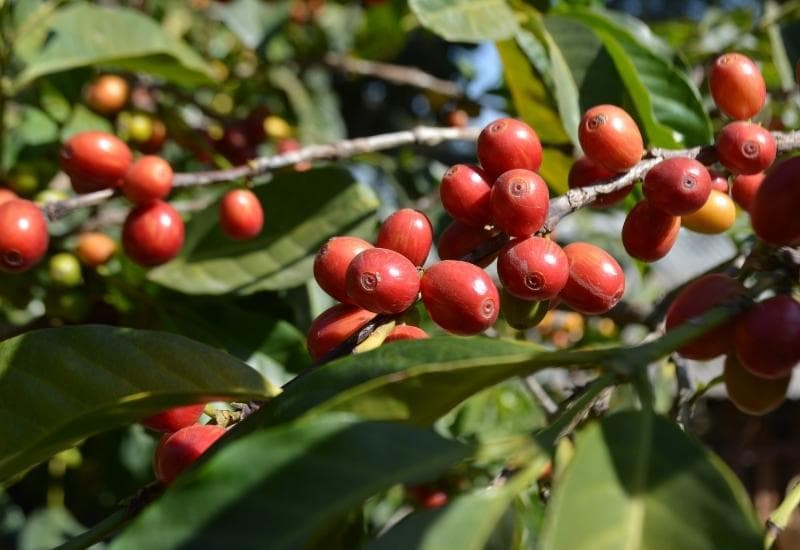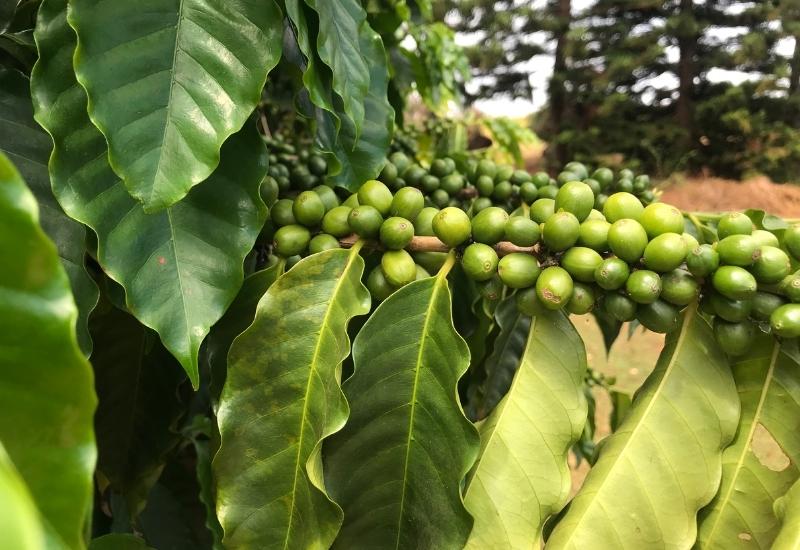
Ethiopia is universally celebrated as the biological birthplace of Coffea arabica. Across the verdant southwestern and southern highlands, thousands of distinct indigenous heirloom varieties thrive in mineral rich volcanic soils sheltered beneath native forest canopies. While international buyers and roasters often focus on green coffee beans after hulling, the foundational cup quality, floral complexity, and aromatic acidity are determined months earlier, during cherry development on the branch, disciplined harvesting, and immediate post harvest handling.
As an experienced Ethiopian agricultural export and logistics partner, YAMA Export Services provides this comprehensive guide to coffee cherry agronomy, selective harvesting standards, and the farmgate to port supply chain for international green coffee importers.
1. The Maturation Cycle: From Flowering to Harvest
The annual coffee cycle in Ethiopia's prime growing regions (such as Yirgacheffe, Sidama, Guji, Keffa, and Limu) follows seasonal rainfall rhythms:
- Flowering (March to April): The arrival of the Belg rains triggers synchronous flowering across the highland plateaus. Fragrant white blossoms coat the branches, pollinating within days before giving way to tiny green pinhead cherries.
- Cherry Maturation (May to September): Over a 6 to 8 month gestational period, the cherries expand and absorb soil nutrients under gentle highland temperatures. High altitudes (1,800 to 2,200 meters above sea level) slow down cherry growth, resulting in denser beans with concentrated sugars and vibrant malic and phosphoric acids.
- Color Transition and Ripening (October to December): As the main dry season commences, green cherries gradually transform into yellow, pink, and finally a deep crimson or burgundy red. This indicates optimal brix (sugar content) inside the mucilage, essential for sweet, balanced cup profiles.
2. Selective Hand Picking vs. Strip Harvesting
The method used to pick coffee cherries directly dictates the grade and market price of the lot:
- Selective Hand Picking (Specialty Grade 1 and 2): Experienced pickers revisit each tree multiple times across the harvest window, picking only fully ripe cherries while leaving immature green and semi ripe yellow cherries on the branch for subsequent passes. This eliminates bitter astringency and produces the pristine cup profiles demanded by specialty roasters.
- Strip Picking (Commercial Lots): Stripping all cherries from a branch in a single pass inevitably mixes green, overripe, and defective cherries with ripe ones. While faster, it drastically lowers cup scores and forces heavy mechanical sorting at the processing mill.
3. The Agroforestry Advantage: Shade Grown Heritage
Over 90% of Ethiopian coffee is produced by smallholders in garden, semi forest, or forest systems. Unlike intensive monoculture sun plantations found in other continents, Ethiopian coffee trees grow under native forest canopies alongside leguminous shade trees like Millettia ferruginea, Cordia africana, and Albizia:
- Microclimate Moderation: Canopy foliage buffers coffee shrubs from temperature extremes, preventing leaf scorch during midday sun and insulating against nighttime highland chills.
- Soil Moisture and Biomass: Continuous leaf litter enriches topsoils with natural organic nitrogen and prevents erosion on steep highland slopes, removing the need for synthetic chemical fertilizers.
- Biodiversity and Pest Resistance: Forest ecosystems harbor diverse bird, pollinator, and insect populations that naturally suppress pests like the coffee berry borer.
4. Farmgate Reception and Wet Mill Flotation
Speed is essential once cherries are picked. Within 8 to 12 hours of harvest, cherries must arrive at washing stations or drying yards before natural internal fermentation causes spoiling:
- Flotation Separation: Fresh cherries are poured into clean water flotation tanks. Dense, healthy ripe cherries sink to the bottom, while hollow, insect damaged, or underdeveloped "floaters" rise to the surface and are skimmed off for lower grade commercial lots.
- Washed (Wet) Processing: Sunk cherries are mechanically depulped, fermented in tile tanks for 24 to 48 hours to break down pectin mucilage, washed with fresh mountain stream water, and spread onto raised African drying beds.
- Natural (Dry) Processing: Whole intact red cherries are laid directly on raised mesh beds in thin layers, turned hourly to ensure uniform airflow, and dried over 15 to 21 days until moisture stabilizes at 10.5 to 11.5%.
5. Traceability, EUDR Compliance and Export Logistics
International coffee trade regulations are increasingly stringent, with the European Union Deforestation Regulation (EUDR) requiring rigorous geospatial farm mapping and verifiable deforestation free declarations:
- Geospatial Sourcing: YAMA Export Services collaborates directly with regional cooperative unions to document GPS polygon boundaries for farmer clusters across Oromia and Sidama.
- Moisture and Bagging: Export ready parchment or dried pods are milled, mechanically sorted by gravity tables and optical sorters, and packaged in airtight GrainPro hermetic liners inside traditional 60 kg jute bags.
- Port Corridor Transit: Sealed dry containers are hauled via bonded freight corridor to Djibouti Port, with temperature monitored sea freight to Europe, North America, the Gulf, and East Asia.
Partner with YAMA for Traceable Ethiopian Coffee Sourcing
Whether you require single origin micro lots from Yirgacheffe and Guji or consistent commercial containers of washed Sidama Grade 2 and Limu Grade 3, YAMA Export Services offers end to end export management, cupping quality certificates, and seamless international shipping. Contact our trade desk at +251 98 898 9805 or email yamaexport@gmail.com to request sample offerings and harvest season contracts.