Driven by rapid urbanization, massive housing developments in Sheger City and Addis Ababa, and multi-billion-birr transport corridor investments overseen by the Ethiopian Roads Authority (ERA), Ethiopia's demand for high-strength crushed stone aggregate, sub-base gravel, and manufactured sand has reached unprecedented levels. At the center of this industrial supply chain are open-pit basalt and granite quarries, where massive hillside faces are excavated, sized, and crushed into the building blocks of national infrastructure.
Operating a profitable quarry in Ethiopia requires navigating severe geological challenges—including ultra-hard volcanic basalt formations, steep cliff faces, abrasive silica dust, and rigorous environmental and safety regulations. Drawing on over two decades of machinery supply, field maintenance, and turnkey quarry plant installations, YAMA Construction Machinery outlines the core engineering principles, machinery selection criteria, and operational practices essential for successful quarrying in Ethiopia.
1. Open-Pit Terraced Benching and Geotechnical Safety
Modern commercial quarries in Ethiopia are transitioning away from hazardous single-face vertical drops toward engineered terraced bench excavation designs:
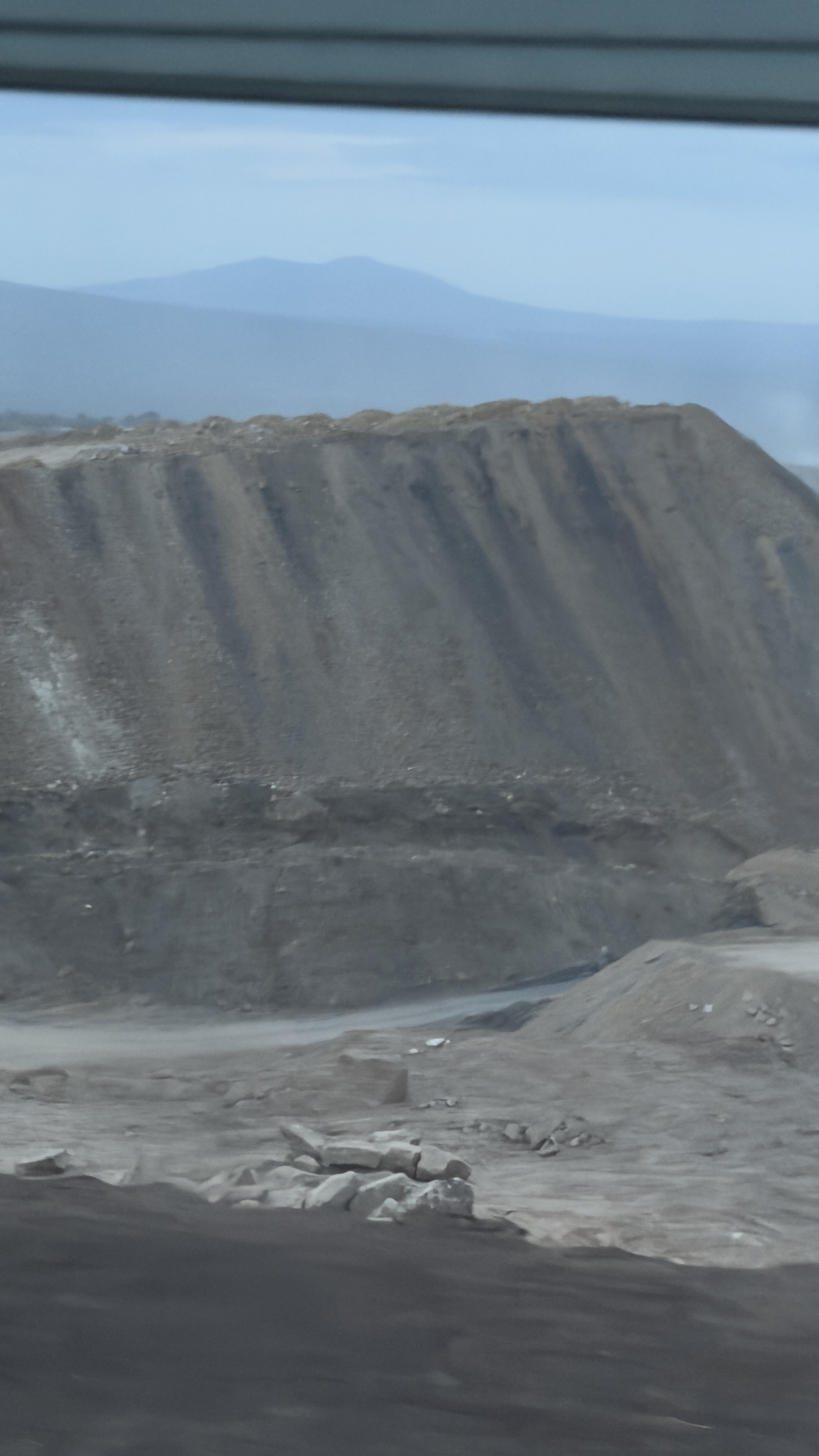
- Bench Geometry and Catchment Width: Proper bench excavation involves developing stepped horizontal terraces typically 8 to 15 meters in height with bench floor widths of at least 6 to 10 meters. This geometry provides adequate catchment zones to arrest rolling rockfall and creates stable working platforms for heavy drill rigs and excavators.
- Haul Road Gradients & Drainage: Access ramps carved into the quarry pit walls must maintain manageable gradients—ideally not exceeding 8% to 10%—to prevent excessive transmission wear, brake overheating, and tipping hazards on heavily loaded 30-ton dump trucks. Continuous roadside diversion ditches prevent surface runoff from destabilizing bench foundations during heavy rains.
- Geotechnical Stability in Fractured Basalt: Volcanic rock columns across the Ethiopian Rift margins and highland plateaus often feature vertical cooling joints and seismic fracture planes. Regular scaling of loose overhangs using long-reach excavator booms or hydraulic rock breakers is mandatory before personnel or haul trucks enter pit bottoms.
2. Primary Extraction & Breaking: Drilling, Blasting vs. Mechanical Ripping
Extracting dense highland basalt requires high-energy breaking methods matched to local permitting conditions and rock density:
- Controlled Production Blasting: For large commercial concessions, hydraulic top-hammer drill rigs drill precise pattern arrays (typically 76 mm to 115 mm hole diameters). Controlled ANFO and emulsion blasting produces optimized rock fragmentation, minimizing oversized boulders and lowering secondary crushing costs.
- Direct Mechanical Excavation & Hydraulic Breakers: In urban quarry concessions near Addis Ababa or Sheger City where blasting vibration permits are strictly regulated, primary extraction relies on heavy crawler excavators (35 to 50 tons) equipped with heavy-duty single-shank rippers or high-impact hydraulic hammers (3,000 to 4,500 kg breaker class) to peel and fracture rock beds mechanically.
- Secondary Boulder Sizing: Oversized rock blocks that exceed primary jaw crusher feed openings (typically >600 mm) must be sized at the quarry face. Utilizing an excavator-mounted rock breaker at the pit floor prevents crusher choking and eliminates damaging shock loads on crusher hopper feed chutes.
3. Essential Machinery Lineup for Highland Basalt Quarries
A balanced quarry machinery fleet ensures uninterrupted throughput from the rock face to the finished aggregate stockpile:
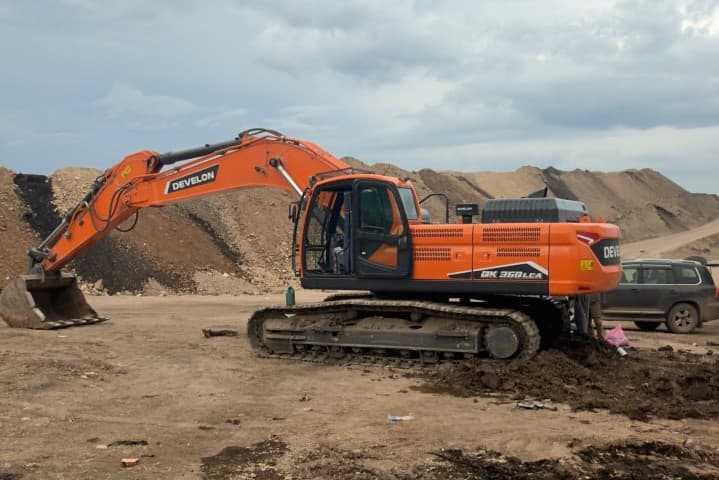
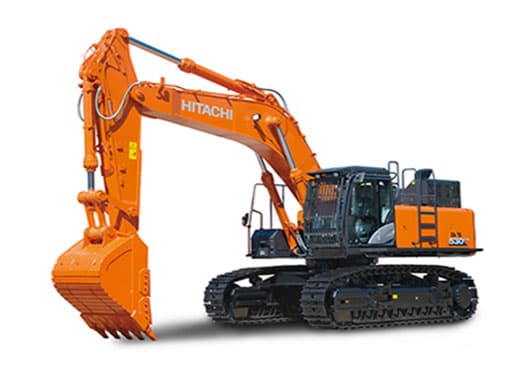
- Heavy Quarry Excavators (35 to 50 Tons): Machines like the Develon DX360LCA, Caterpillar 336D, and Hitachi ZX350 configured with heavy-duty rock buckets (1.8 to 2.4 m³) featuring high-tensile Hardox wear plates and side shrouds. Their exceptional hydraulic breakout force (>240 kN) penetrates blasted piles smoothly while minimizing cycle load times into waiting haulers.
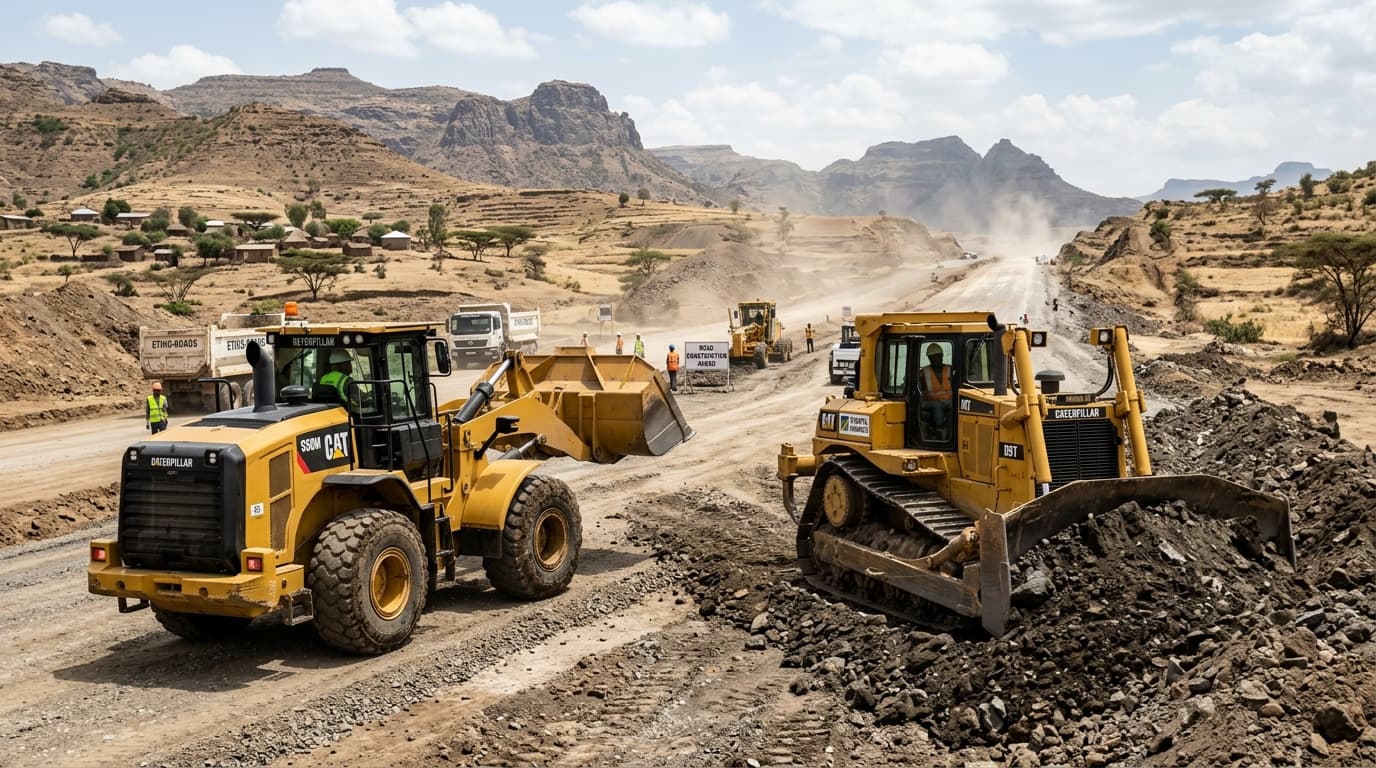
- High-Capacity Wheel Loaders (5 to 7-Ton Payload): Wheel loaders such as the CAT 950M, Hitachi ZW220, or SDLG L958F play a dual role in quarry logistics: feeding raw rock into primary crushing plant hoppers and rapidly loading screened aggregates (01, 02, gravel, manufactured sand) into customer tipper trucks.
- Mobile vs. Stationary Crushing Plants: Remote road projects benefit immensely from track-mounted mobile jaw and cone crushing units that can follow quarry face progression. For long-term commercial aggregate concessions, stationary multi-stage crushing and screening plants delivering 150 to 300 TPH (tonnes per hour) offer superior cost-per-tonne economics.
- Heavy Mining Tippers (6x4 and 8x4): Sinotruk HOWO and Volvo heavy dump trucks outfitted with reinforced rock bodies featuring 8 mm floor plates and heavy cab guards to survive severe rock impact loading.
4. Combating Severe Abrasive Basalt Wear & Rift Valley Dust
Ethiopian basalt is notorious for high silica content and compressive strength often exceeding 180 to 220 MPa, resulting in accelerated mechanical wear across all equipment categories:
- Ground Engaging Tools (GET) Management: Standard civil earthmoving bucket teeth wear out within days in fractured basalt. Quarry operators must specify heavy-duty rock chisel tips, weld-on heel shrouds, and lip protectors manufactured from high-manganese cast alloy steel, rotating teeth regularly to maintain sharp penetrating edges.
- Crusher Wear Liner Replacement Schedules: Primary jaw crusher manganese dies and secondary cone concave liners absorb brutal abrasive crushing forces. Monitoring wear liner thickness weekly and maintaining spare manganese sets in on-site inventory prevents unbudgeted plant shutdowns.
- Multi-Stage Engine Air Pre-Cleaning: Constant rock drilling, blasting, and dry crushing generate dense airborne silica dust clouds. All mobile equipment engines must be protected with centrifugal cyclone pre-cleaners paired with heavy oil-bath and dual dry-element air filters to prevent cylinder liner dusting and premature engine blow-by.
5. Quarry Equipment Sourcing, Rental and Technical Support with YAMA
Whether you are opening a new basalt quarry concession to supply an ERA highway project or expanding an existing aggregate crushing plant in Oromia, Amhara, Tigray, or the Southern region, YAMA Construction Machinery delivers turnkey technical and equipment support:
- Turnkey Machinery Procurement & Import: We manage complete foreign exchange financing, maritime shipping to Djibouti Port, and bonded customs clearance for heavy mining excavators, mobile crushers, screens, wheel loaders, and dump trucks.
- Flexible Quarry Fleet Rental: Access certified heavy excavators and tipper fleets on flexible dry or wet rental terms, complete with experienced quarry operators trained in safe bench operations.
- OEM Spare Parts & Rapid Field Support: Backed by central warehouses in Addis Ababa and regional technical hubs across Ethiopia, YAMA maintains comprehensive inventories of hydraulic seals, rock breaker chisels, bucket teeth, filters, and mobile service teams ready to deploy directly to your quarry site.
Partner with Ethiopia's heavy machinery leaders to equip and optimize your quarry operations. Contact YAMA Construction Machinery today at +251 98 898 9805 or email yamaexport@gmail.com for machinery specifications, crushing plant consultations, and competitive rental quotations.