Choosing the right excavator for your project is one of the most critical equipment decisions you will make. With Ethiopia's diverse terrain from the highlands of Tigray to the lowlands of the Somali Region the wrong machine can lead to costly delays, excessive fuel consumption, and premature wear.
At YAMA Construction, we have supplied over 1,200 excavators to projects across Ethiopia, ranging from small urban developments to large-scale mining operations. This guide draws on that experience to help you make an informed decision.
1. Determine Your Operating Weight Class
Excavators are categorized by operating weight, which directly correlates to digging depth, lifting capacity, and power. For most Ethiopian construction projects, the following classes apply:
- Mini Excavators (1–6 tons): Ideal for urban infrastructure, utility work, and confined spaces in Addis Ababa and other cities.
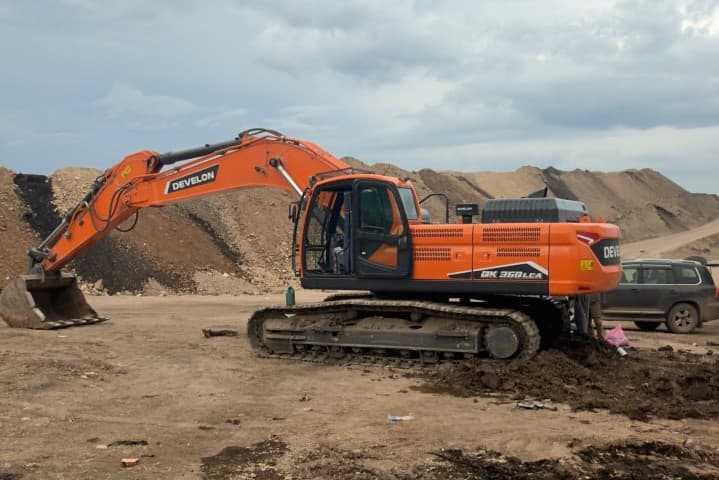
- Medium Excavators (12–25 tons): The most versatile class for general construction, road building, and quarry work across Ethiopia.
- Large Excavators (30–50 tons): Required for mining operations, major earthmoving, and large infrastructure projects like dams and highways.
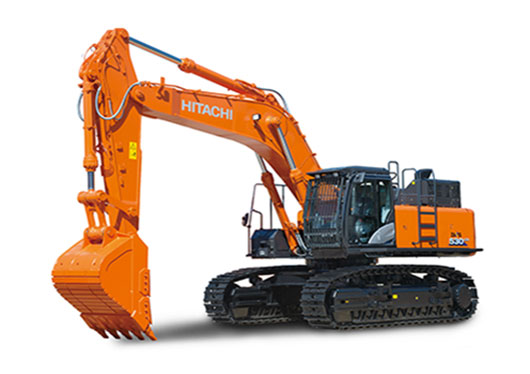
- Heavy Excavators (50+ tons): Used in large-scale mining and major civil engineering projects.
2. Consider the Terrain and Conditions
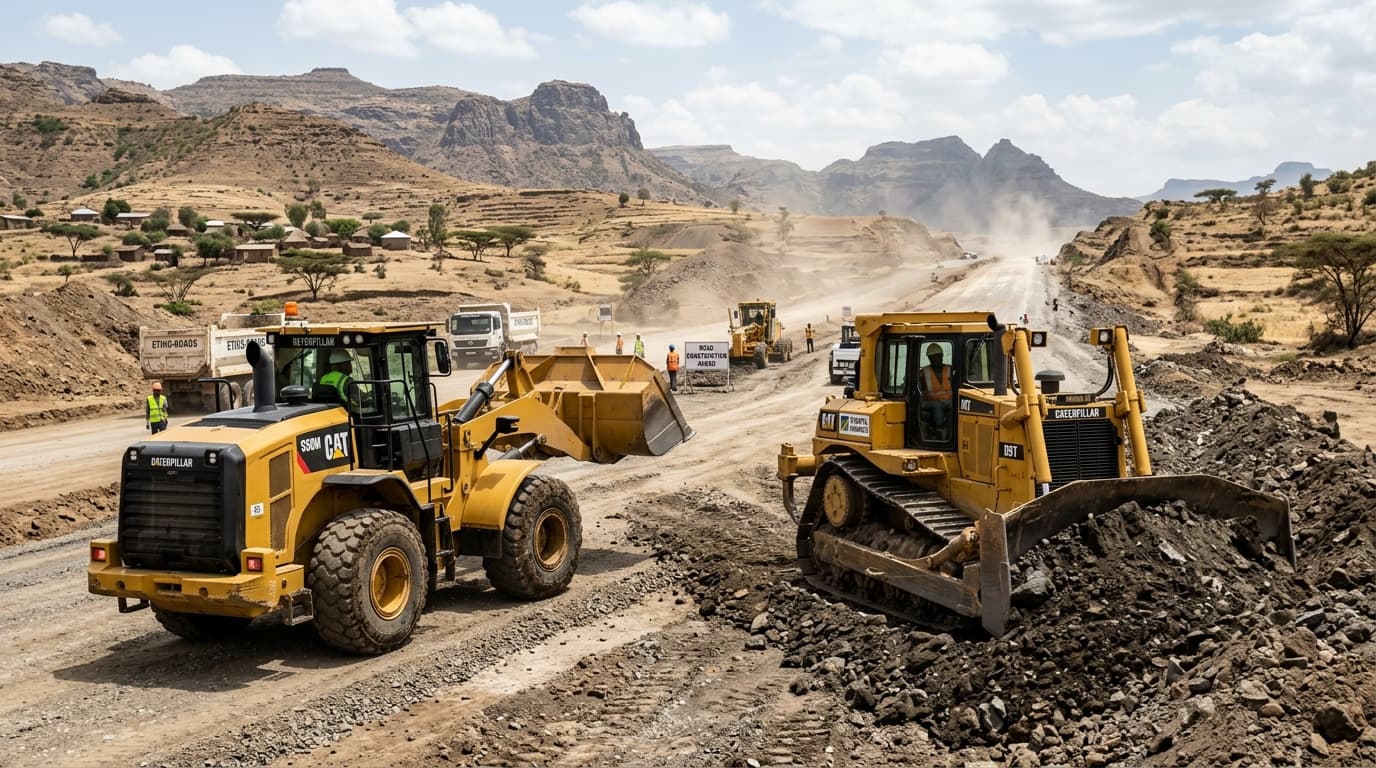
Ethiopia's diverse geography means that a machine suited for the soft soils of the Rift Valley may struggle in the rocky highlands. Key considerations include:
- Track type: Steel tracks for rocky terrain, rubber tracks for urban and paved surfaces.
- Undercarriage configuration: Long-track undercarriages provide better stability for heavy lifting.
- Engine power: Higher altitude operations require engines with adequate turbocharging to maintain power output.
3. Match the Attachment to the Application
Modern excavators are highly versatile with quick-coupler systems that allow rapid attachment changes. Common attachments for Ethiopian projects include:
- Digging buckets: Standard for excavation and trenching.
- Rock breakers/hammers: Essential for demolition and rock excavation in Ethiopian construction.
- Grapples: For material handling and waste management.
- Augers: For drilling foundation holes and utility poles.
4. Evaluate Total Cost of Ownership
Beyond the purchase price, consider fuel efficiency, maintenance intervals, parts availability, and resale value. At YAMA Construction, we recommend machines with strong local dealer support to minimize downtime. Our service centers in Addis Ababa, Dire Dawa, Bahir Dar, Hawassa, and Mekelle ensure that parts and service are never far away.
5. New vs. Used: Making the Right Choice
For long-term projects with high utilization, new equipment offers the latest technology, lower fuel consumption, and full warranty coverage. For shorter projects or budget-constrained operations, late-model used equipment from reputable sources can provide excellent value. YAMA Construction offers both new and certified pre-owned excavators from leading brands including Caterpillar, Komatsu, Hitachi, and Hyundai CE.
Contact our sales team for a personalized equipment recommendation based on your specific project requirements, budget, and operating conditions.