Importing heavy construction machinery into Ethiopia is a strategic investment that powers major infrastructure, mining, agriculture, and commercial developments. However, navigating the regulatory framework including foreign currency allocations, customs duty classifications, pre-shipment inspections, and transit corridors requires careful planning and regulatory compliance. Understanding these procedures is essential for contractors and enterprises looking to expand their fleet without facing costly port demurrage or customs delays.
As Ethiopia's leading machinery importer with over two decades of international freight and customs clearance experience, YAMA Construction Machinery provides this end-to-end guide on importing heavy equipment into Ethiopia.
1. Regulatory Framework and Foreign Exchange Regulations
Heavy machinery importation is governed by directives from the National Bank of Ethiopia (NBE), the Ministry of Trade and Regional Integration (MoTRI), and the Ethiopian Customs Commission (ECC):
- Foreign Exchange Allocation: Importers must secure foreign currency through commercial banks via Letters of Credit (LC), Cash Against Documents (CAD), or supplier credit mechanisms approved under NBE foreign exchange directives. Priority allocation is frequently granted to capital goods in construction, agriculture, and manufacturing.
- Import Licensing: The importing entity must hold a valid foreign trade auxiliary or capital goods import license registered under the relevant Ethiopian commercial code.
- Franco Valuta & Special Permits: For specific qualifying diaspora investments, large-scale FDI projects, or international donor-funded public tenders, special Franco Valuta permits or duty-free investment incentives may apply under Ethiopian Investment Commission (EIC) frameworks.
2. Customs Duty, Excise, and Tax Assessment
Customs duties on heavy construction machinery in Ethiopia vary depending on the Harmonized System (HS) code classification and whether the equipment qualifies for capital investment incentives:
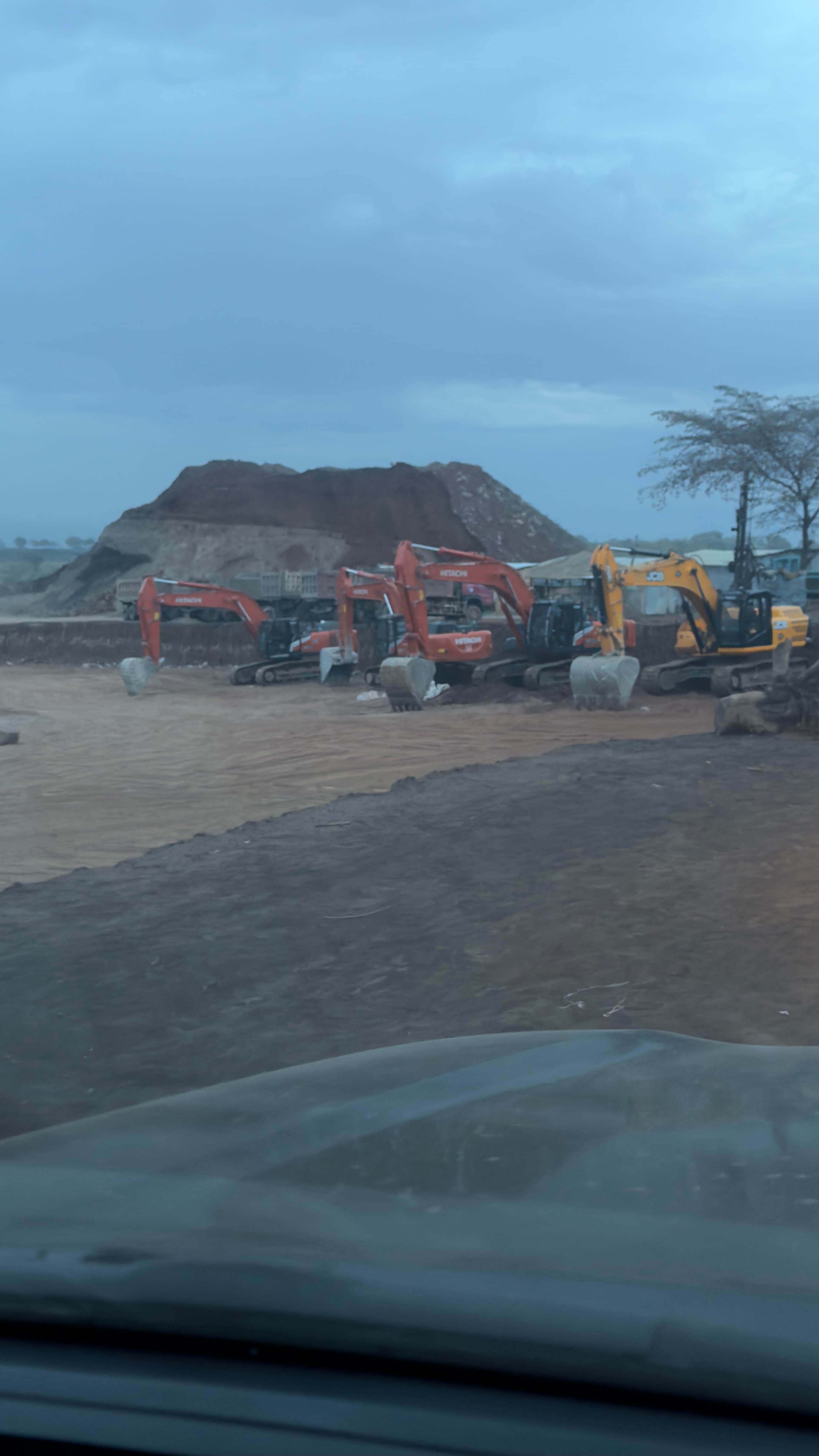
- Capital Goods Incentives: Core construction and mining machinery (such as excavators, bulldozers, wheel loaders, and stone crushers) often qualify for reduced or zero customs duty rates under national development policies, subject to Value Added Tax (VAT) and surcharges.
- Commercial Trucks & Vehicles: Heavy prime movers, dump trucks, and utility support vehicles are assessed under standard commercial vehicle tariff schedules.
- Essential Documents for Clearance: Clean Report of Findings (CRF) or Pre-Shipment Inspection (PSI) certificates, Commercial Invoices, Packing Lists, Bill of Lading (B/L), and Certificate of Origin (COO) verified by relevant chambers of commerce.
3. The Shipping Corridor: Djibouti Port to Modjo Dry Port
Over 90% of maritime freight destined for Ethiopia moves through the Djibouti–Ethiopia trade corridor:
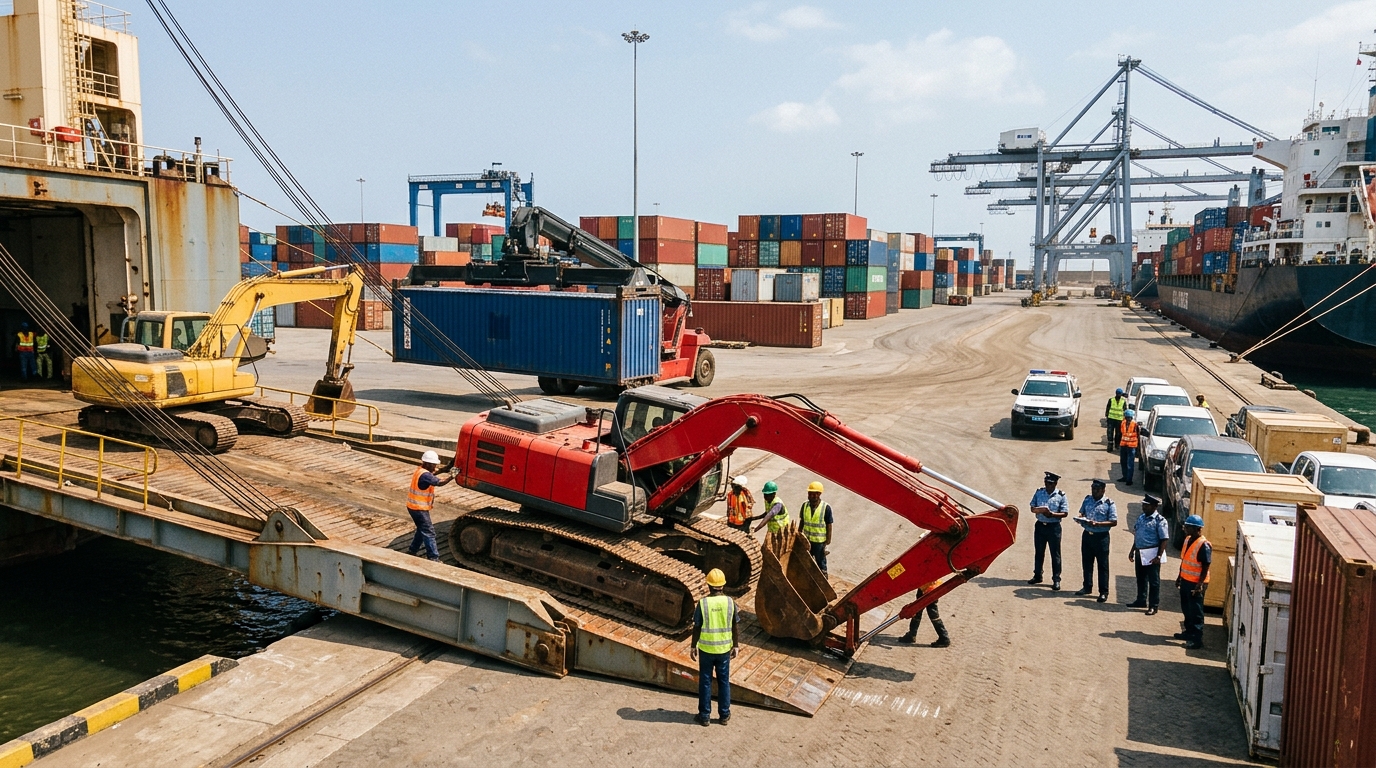
- Discharge at Port of Djibouti: Heavy machinery arrives via Roll-on/Roll-off (Ro-Ro) vessels or Flat Rack / Open Top container carriers at the Doraleh Multipurpose Port (DMP) in Djibouti.
- Multimodal Transport System (MTS): Under the Ethiopian Shipping and Logistics Services Enterprise (ESLSE) multimodal framework, cargo is cleared for bonded transit directly to inland dry ports without intermediate customs clearance at the seaport.
- Inland Dry Port Terminals: Machinery is transported by specialized heavy-haul trucks or the Ethio-Djibouti Railway to Modjo Dry Port, Kality Customs Terminal, or regional dry ports (such as Dire Dawa, Kombolcha, or Semera) for final customs inspection, tax payment, and release.
4. Pre-Shipment Inspection & Quality Standards
To avoid entry rejection or clearance hold-ups, all imported machinery must meet standards enforced by the Ethiopian Standards Agency (ESA):
- Emissions and Engine Specifications: Ensure diesel engines are compatible with locally available fuel grades and altitude conditions across Ethiopian highlands (e.g. turbocharged Tier 2 / Tier 3 engines).
- Authenticity and Pre-Delivery Inspection: Machines must be certified by accredited international inspection agencies (such as SGS, Bureau Veritas, or Intertek) prior to vessel loading.
- Manufacturer Warranty & Parts Backing: Securing machines with verified OEM warranties and guaranteed local spare parts availability is crucial for long-term operational uptime.
5. Why Partner with an Authorized Machinery Importer?
Managing direct importation independently carries significant operational risks, including exchange rate fluctuations, demurrage costs, shipping delays, and customs paperwork errors. Partnering with an established importer like YAMA Construction Machinery offers clear advantages:
- Turnkey Import Handling: YAMA manages the complete pipeline from OEM procurement and letters of credit to international shipping, customs clearance at Modjo, and final site delivery.
- Local Assembly & Pre-Delivery Servicing: Every imported unit undergoes full mechanical inspection, fluid testing, and calibration by factory-trained technicians at our workshop facilities.
- Spare Parts & After-Sales Network: Immediate access to genuine filters, hydraulic components, undercarriage parts, and 24/7 mobile field service teams across Ethiopia.
- Flexible Financing & Lease-to-Own: Access to structured financing and tender support to acquire equipment without depleting cash reserves.
Ready to Import Equipment for Your Next Project?
Whether you need a single hydraulic excavator or an entire fleet of earthmoving and power generation equipment, YAMA Construction Machinery provides end-to-end import consultation and procurement support. Contact our procurement desk at +251 98 898 9805 or email yamaexport@gmail.com to receive a formal import quotation and customs assessment.