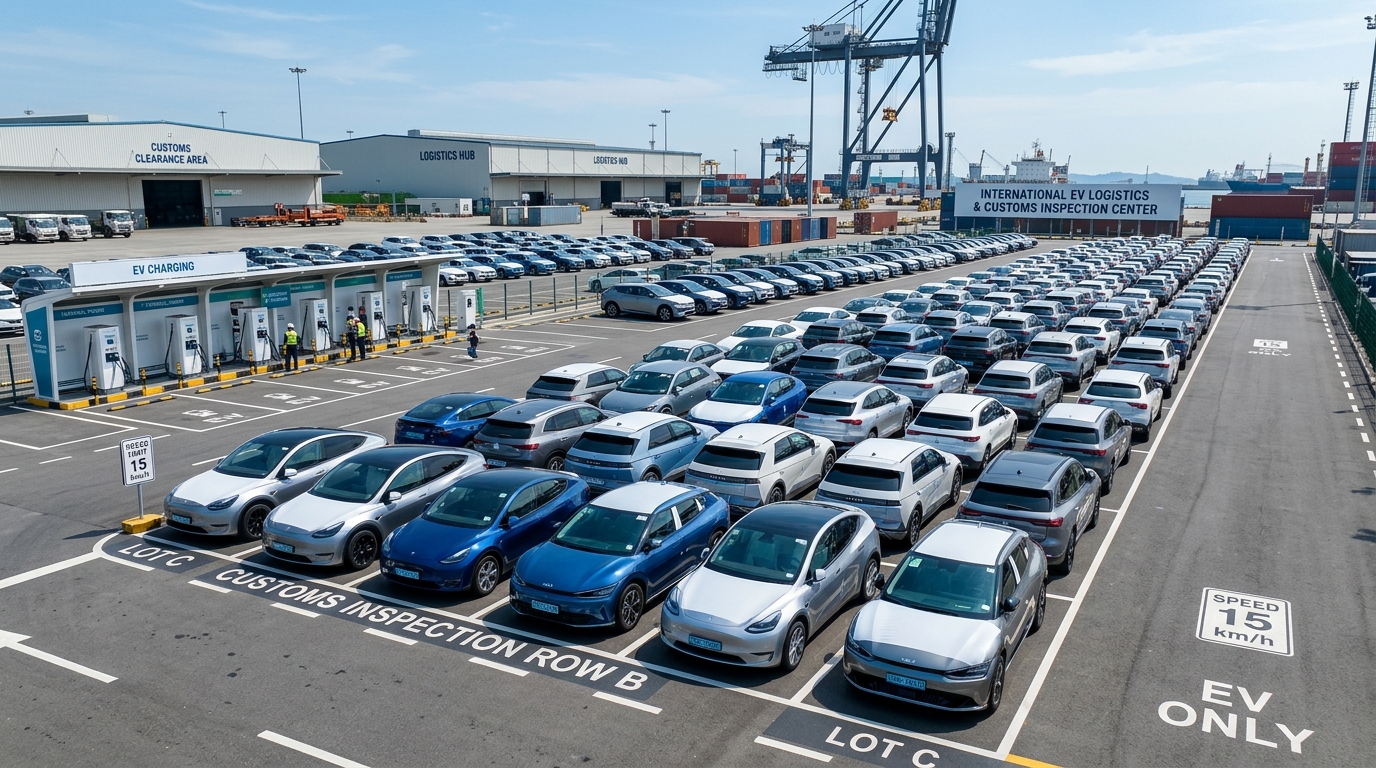
Ethiopia's transportation and fleet sector is undergoing a significant shift, with electric vehicles (EVs) moving rapidly from a niche category to a mainstream procurement option for commercial fleet operators, government agencies, ride-hailing companies, and high-income private buyers. The Ethiopian government's explicit EV adoption policy — including duty incentives, a commitment to transitioning public transport fleets to electric, and investments in charging infrastructure — has accelerated this trend considerably.
YAMA Import Services handles EV and automotive import operations — from sourcing negotiations with manufacturers in China, Japan, and Europe to customs clearance at Ethiopian inland dry ports. This guide outlines the key factors for businesses and fleet operators planning to import electric vehicles or automotive parts into Ethiopia.
1. Ethiopia's Electric Vehicle Policy and Incentives
The Ethiopian government has adopted explicit policies to encourage EV adoption, making the country one of sub-Saharan Africa's most active EV import markets:
- Duty Exemption on Electric Vehicles: Fully electric passenger vehicles (BEV) imported into Ethiopia have benefited from customs duty exemptions or significantly reduced duty rates compared to conventional internal combustion engine vehicles, under the government's green transport initiative.
- Government Fleet Electrification: Federal and regional government agencies have been directed to prioritize EVs in new vehicle procurement, creating a large institutional demand pipeline for electric sedans, SUVs, and minibuses.
- Ride-Hailing and Commercial Fleet Adoption: Ride-hailing operators in Addis Ababa have been among the earliest commercial adopters of EVs, driven by lower fuel costs — Ethiopia's electricity tariff is significantly lower than fuel prices on a per-km basis.
- Charging Infrastructure Development: Public and private sector investment in EV charging stations along major highways and in Addis Ababa's commercial districts has accelerated since 2022, reducing the range anxiety barrier for fleet operators.
2. Key EV Source Countries and Popular Models
The majority of EVs imported into Ethiopia originate from China, which offers the most price-competitive electric vehicle options across all segments:
- China (BYD, MG, Dongfeng, Chery, GAC): Chinese manufacturers dominate Ethiopia's EV import market, offering a wide range from compact sedans to full-size SUVs and electric minibuses. BYD's Atto 3 and Seal series, and MG's ZS EV, have been among the most frequently imported models, with pricing in the US$25,000–US$45,000 range for passenger vehicles.
- Japan (Nissan Leaf, Toyota bZ series): Japanese EVs carry strong brand trust among Ethiopian fleet operators and private buyers, though pricing is typically higher than Chinese alternatives.
- Europe (Volkswagen ID series, Renault Zoe): European EVs appeal to premium market segments and diplomatic/international organization fleet procurement.
- Electric Minibuses and Commercial EVs: Electric minibuses from Chinese manufacturers (BYD, King Long, Yutong) are actively being procured for public transport fleet modernization, with 12-seat and 19-seat configurations particularly in demand.
3. Importing OEM Spare Parts, Lithium Batteries, and Auto Accessories
Alongside vehicle imports, the demand for automotive spare parts, lithium batteries, and accessories represents a high-volume, recurring import category:
- OEM Engine and Mechanical Parts: Ethiopian vehicle fleets are predominantly Japanese and Chinese brands (Toyota, Isuzu, Mitsubishi, Nissan, and Chinese light trucks). Importing genuine OEM spare parts — filters, injectors, clutch kits, gaskets, and drive train components — is a significant trade corridor. Counterfeit parts in the local market are a persistent quality concern, making OEM-sourced imports with manufacturer certification a strong commercial differentiator.
- Lithium-Ion Battery Packs and Cells: As the EV fleet grows, the demand for replacement battery packs, battery management systems (BMS), and lithium-ion cells for EV servicing and solar energy storage applications is rising rapidly.
- Tires and Wheels: Commercial vehicle and passenger car tires from China, South Korea (Hankook, Kumho), and Europe are among the highest-volume automotive import categories. Tyre imports must comply with Ethiopian standards on load rating, speed rating, and labeling requirements.
- Auto Batteries (Lead-Acid and AGM): Commercial vehicle and passenger car starting batteries imported from China, South Korea, and Europe. Battery import documentation must include SDS (Safety Data Sheet) and compliance with EFDA/ESI chemical import regulations.
4. The Import Process: From Purchase Order to Delivery
The typical EV and automotive parts import process through YAMA Import Services involves:
- Step 1 — Supplier Sourcing and Price Negotiation: YAMA identifies verified manufacturers or authorized distributors and negotiates FOB or CIF pricing with inspection and warranty terms agreed upfront.
- Step 2 — LC or CAD Payment Documentation: Foreign currency is allocated through an Ethiopian commercial bank via Letter of Credit, with bank documents reviewed for compliance with supplier contract terms.
- Step 3 — Pre-Shipment Inspection: An accredited inspection agency (SGS, Bureau Veritas, or Intertek) inspects the vehicles or parts at the loading port before vessel departure, issuing a Clean Report of Findings (CRF).
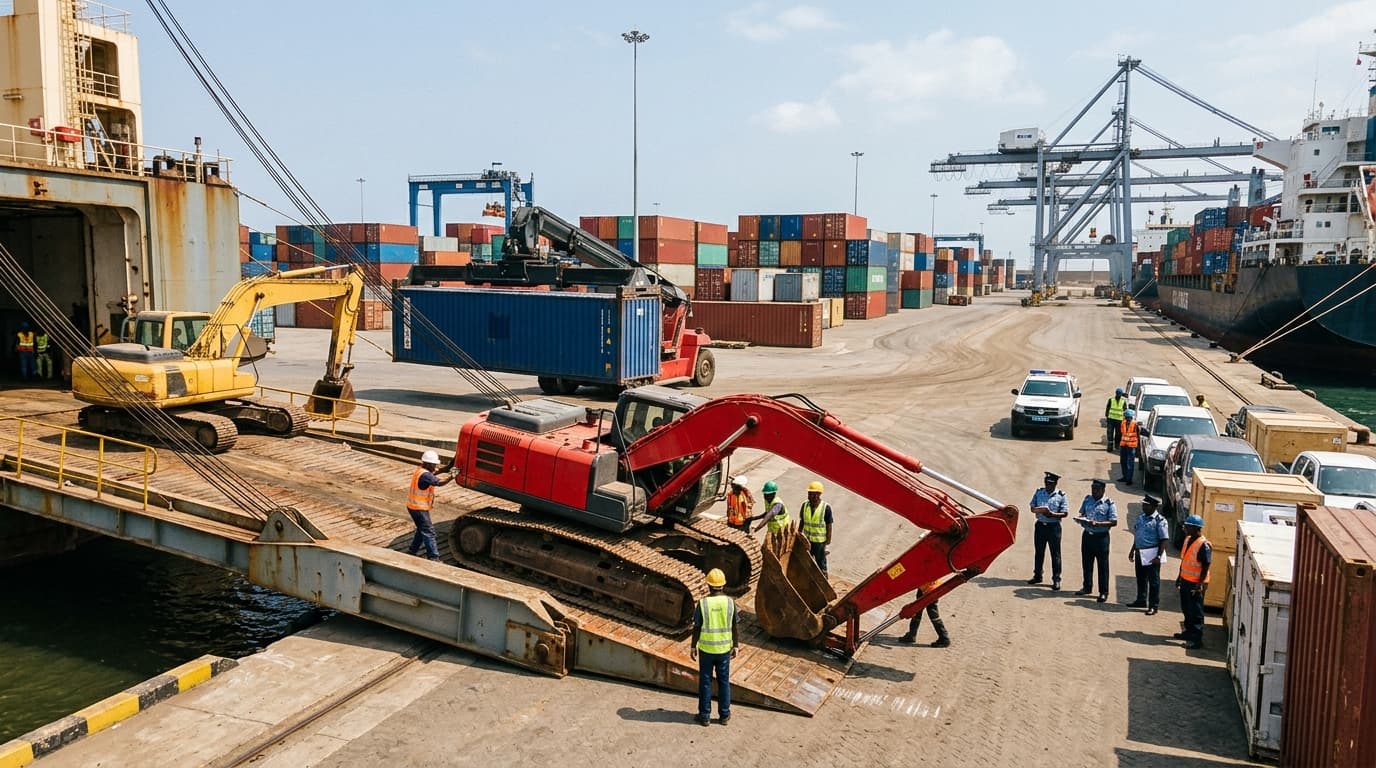
- Step 4 — Sea Freight and Transit: Vehicles are shipped by Ro-Ro vessel or in open-top containers via Djibouti Port, with bonded transit to Modjo Dry Port or Kality Customs Terminal.
- Step 5 — Customs Clearance and Duty Payment: YAMA's customs clearance team handles declaration filing, tax assessment, duty payment, and coordination with EFDA/ESI for required certificates.
- Step 6 — Vehicle Inspection and Pre-Delivery Service: All imported vehicles undergo pre-delivery inspection (PDI), fluid checks, and basic commissioning at YAMA's workshop before delivery to the client.
Import Your EV Fleet or Auto Parts with YAMA
YAMA Import Services provides end-to-end EV and automotive import management — from manufacturer sourcing and LC documentation to customs clearance, pre-delivery inspection, and nationwide delivery. Whether you need a single electric vehicle or a commercial fleet of 50 units, contact our automotive import team at +251 98 898 9805 or yamaexport@gmail.com for a competitive import quotation.