Reliable power is essential for business operations in Ethiopia, where grid instability can disrupt productivity and damage sensitive equipment. Choosing the right generator size is critical an undersized generator will struggle under load, while an oversized unit wastes fuel and operates inefficiently.
This guide from YAMA Construction's power solutions team will help you calculate your exact power requirements and select the optimal generator for your needs.
Understanding Power Ratings
Generators have two power ratings that are important to understand:
- Standby Power: The maximum power a generator can supply for a limited time (typically 1 hour in a 12-hour period) during a power outage. This is the rating most commonly used for backup power applications.
- Prime Power: The continuous power a generator can supply for an unlimited number of hours per year, with variable load. This rating applies when the generator is the primary power source.
Step 1: Calculate Your Total Load
Start by listing all equipment and appliances that will be powered by the generator. For each item, note the running watts and starting watts. Motors and compressors require significantly more power to start than to run. Key considerations for Ethiopian businesses include:
- Office equipment: Computers, servers, lighting, air conditioning, and security systems.
- Industrial equipment: Motors, pumps, compressors, welding machines, and production machinery.
- Construction equipment: Lighting towers, concrete mixers, vibrators, and power tools.
- Commercial facilities: Refrigeration, HVAC, elevators, and water pumps.
Step 2: Account for Starting Surge
Electric motors can draw 3–7 times their running wattage during startup. This starting surge must be factored into your generator sizing. As a rule of thumb, add the largest starting surge to your total running load to determine the minimum generator size.
Step 3: Consider Future Expansion
It is wise to size your generator with 20–30% additional capacity to accommodate future growth. This prevents the need for a costly generator replacement when you add new equipment or expand your facility.
Step 4: Choose the Right Fuel Type
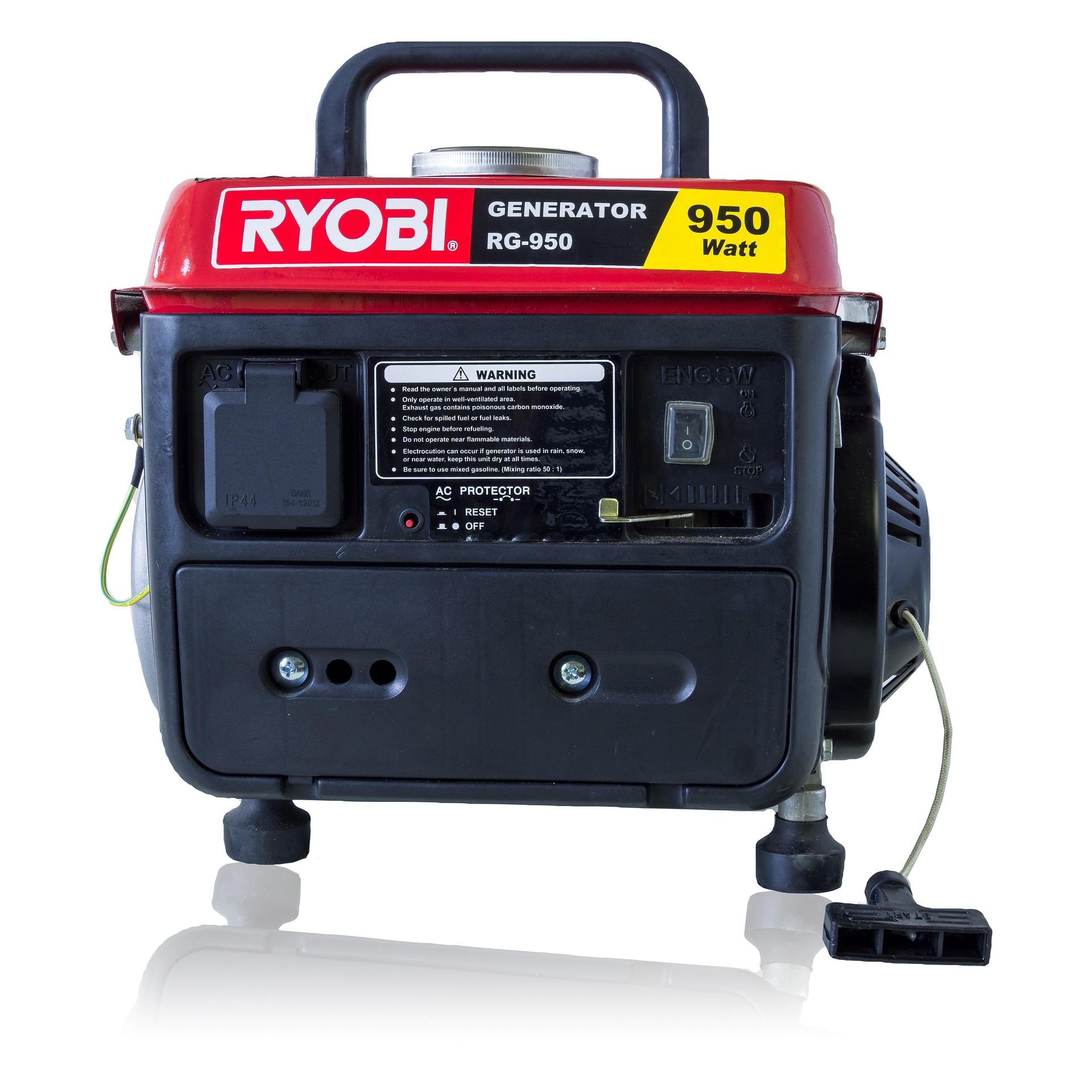
In Ethiopia, diesel generators are the most common choice due to fuel availability and efficiency. However, for smaller applications, petrol or dual-fuel generators may be suitable. YAMA Construction offers generators from Perkins, Cummins, and other leading manufacturers, with power outputs ranging from 5 kVA to 2,000 kVA.
Recommended Generator Sizes for Common Applications
- Small office (5–10 staff): 10–20 kVA
- Medium office (20–50 staff): 30–60 kVA
- Large office / bank branch: 60–150 kVA
- Construction site: 50–200 kVA depending on equipment
- Manufacturing facility: 200–500 kVA
- Hospital / data center: 500–1,000 kVA with redundancy
For a precise generator sizing calculation tailored to your specific requirements, contact YAMA Construction's power solutions team. We provide free site assessments and load calculations.