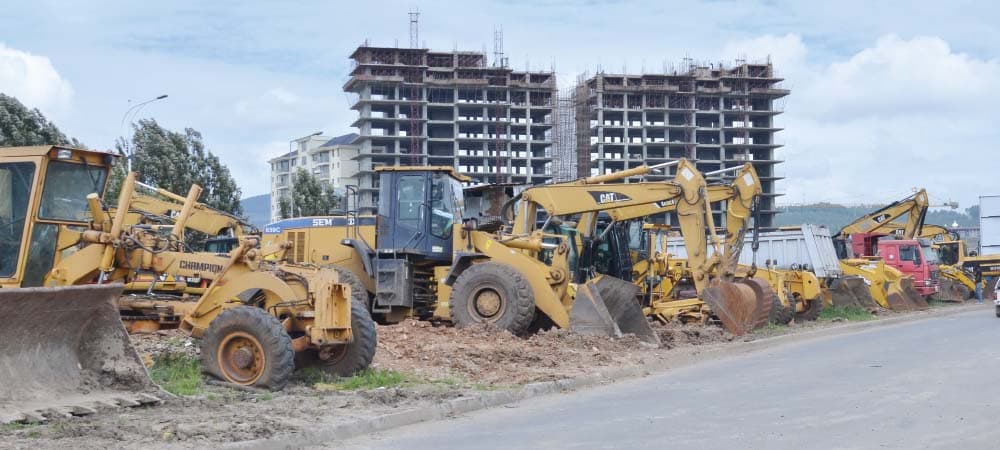
Excavators are among the most frequently rented machines on Ethiopian construction sites and also among the most inconsistently priced. Because a large share of the rental market runs through individual owners rather than structured rental companies, prices for the same class of excavator can vary widely depending on who you ask, how the deal is structured, and what's included in the quote. YAMA Construction's research team breaks down what excavator rental actually costs, and why the number on a listing rarely tells the whole story.
1. Typical Excavator Rental Rates
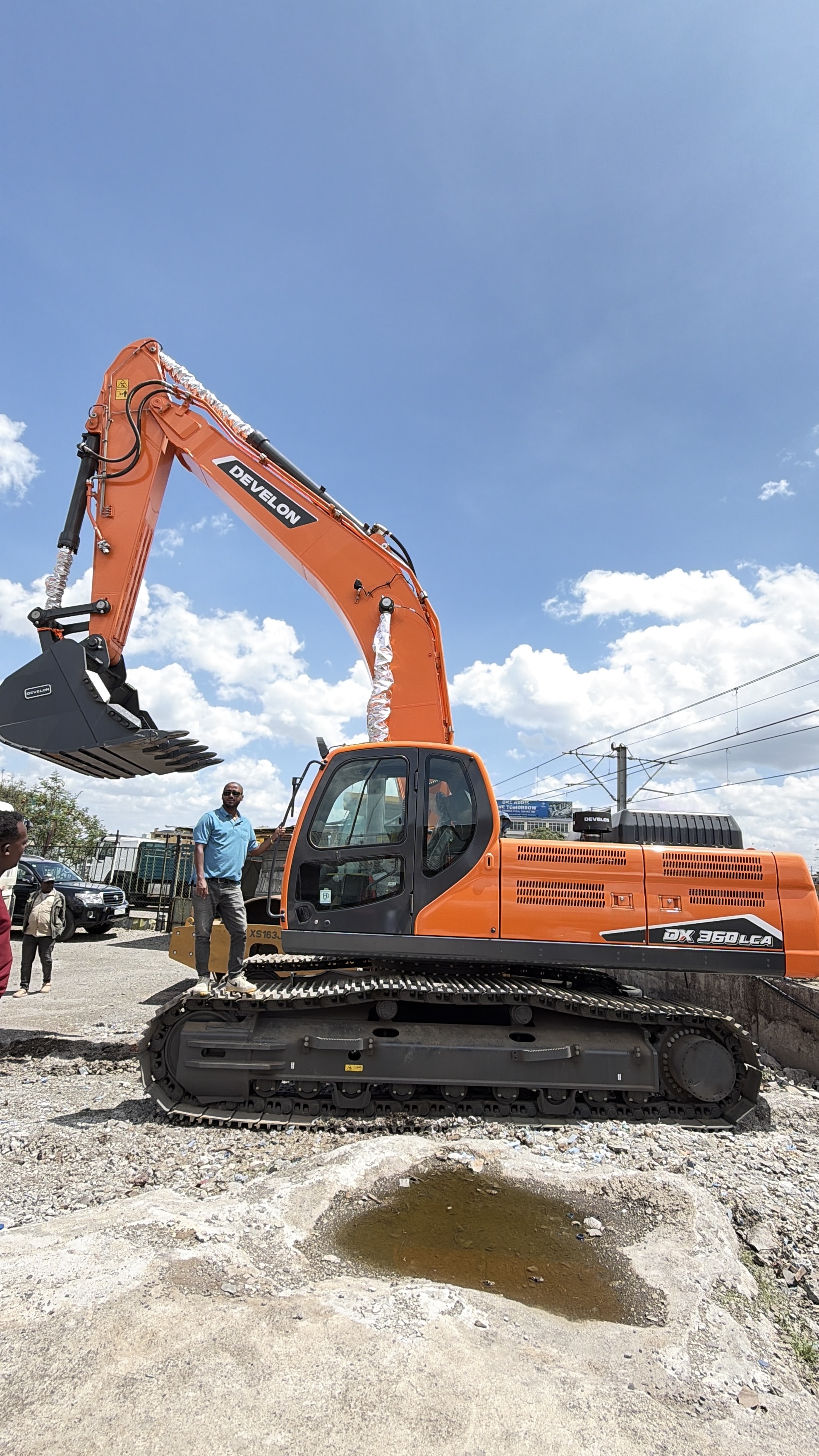
Excavator rental in Ethiopia is generally priced one of three ways: by the hour, by the month, or as a negotiated project rate. Hourly rates for mid-size hydraulic excavators (roughly 20-ton class, such as a CAT 320 or Hitachi 340) commonly fall in the 800-1,200 birr per hour range, with jackhammer-attached units pricing higher, often 1,200-1,800 birr per hour, given the added wear and attachment cost. Monthly rentals for a hydraulic excavator typically range from around 80,000 to 200,000 birr, depending on the machine's size, condition, and engine hours. Smaller wheel or mini excavators generally rent for less than large chain excavators. These figures move with fuel costs and machine availability, so they're best treated as a starting reference point rather than a fixed benchmark always confirm current pricing directly with the owner or provider.
2. What Actually Moves the Price
A quoted rate rarely tells the whole story. Several factors explain why two "excavator for rent" listings can differ by a wide margin:
Machine class and age a compact or wheel excavator rents for noticeably less than a large chain excavator, and older machines with high engine hours are usually priced lower but carry more breakdown risk.
Attachments adding a jackhammer, ripper, or specialized bucket increases the rate and is sometimes billed separately from the base machine.
Fuel and operator some listings include an operator and fuel in the quoted price; others charge for the bare machine only, with the renter responsible for both. This alone can shift the effective cost significantly, so it's one of the first things to clarify.
Contract length short-term or single-day rentals carry a premium per hour compared to month-long commitments, since owners price in idle risk between jobs.
Location and site access mobilization cost to reach a remote site, and site conditions that increase wear, both factor into what an owner will quote.
3. A Largely Informal, Owner-Direct Market
Unlike markets with a handful of large equipment rental companies, much of Ethiopia's excavator rental activity happens directly between contractors and individual equipment owners, often coordinated through classifieds sites, Facebook groups, and word of mouth. This keeps prices flexible and negotiable, but it also means there's rarely a standard contract, warranty on breakdowns, or guaranteed availability. Rates are frequently listed as "negotiable depending on site," which is convenient for a one-off job but makes budgeting across a multi-month project harder without a documented agreement.
4. What to Confirm Before Signing
Given how much the informal market varies, a few questions can prevent costly surprises: Is fuel included? Is an operator included, and are they insured? What are the machine's current engine hours, and is there a maintenance record? What happens if the machine breaks down mid-contract is downtime billed? Is VAT included in the quoted rate or added on top? Getting these answers in writing, even for a short rental, puts the contractor in a much stronger position than relying on a verbal quote.
5. Hourly vs. Monthly: Which Is Actually Cheaper
For short, defined tasks, hourly rental keeps cost tied directly to actual use. But for anything running more than a few weeks, monthly rates almost always work out cheaper per operating hour, since owners price single-day and short-term hires with a premium to cover idle risk. Contractors planning a project timeline in advance should get both a monthly quote and a per-hour quote from the same provider the gap between them is often larger than expected.
Outlook
As demand for infrastructure, mining, and industrial park construction continues to grow, excavator rental will likely remain one of the more active and price-volatile corners of Ethiopia's construction sector. Contractors who compare rates across multiple sources, clarify exactly what's included in a quote, and match rental length to actual project need are in the best position to control cost without sacrificing uptime. YAMA Construction's rental team works directly with contractors to provide excavators with transparent pricing and maintained fleet availability, for projects of any size.
To get a current excavator rental quote for your project, contact our team.