Renting construction machinery has become the default way most Ethiopian contractors get equipment onto a site, rather than committing capital to outright ownership for every job. With infrastructure, mining, and industrial park projects expanding across the country, understanding how the rental market actually works who's renting, what's available, and how deals get structured makes a real difference in how competitively a contractor can bid and staff a project. YAMA Construction's research team breaks down the landscape.
1. Why Contractors Rent Instead of Buy
Outright purchase still makes sense for core equipment a contractor runs daily for years. But for project-specific or short-term needs, renting avoids tying up capital, keeps equipment off the balance sheet, and shifts machinery cost into a predictable operating expense tied directly to active project revenue. This is especially valuable for contractors managing seasonal demand or bidding on work outside their usual equipment mix.
2. What's Commonly Available to Rent
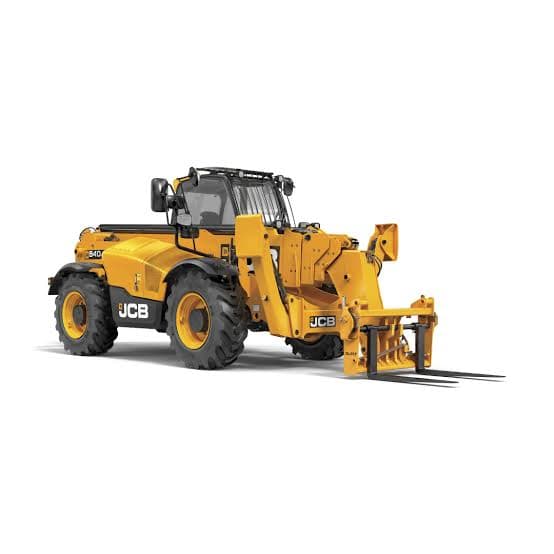
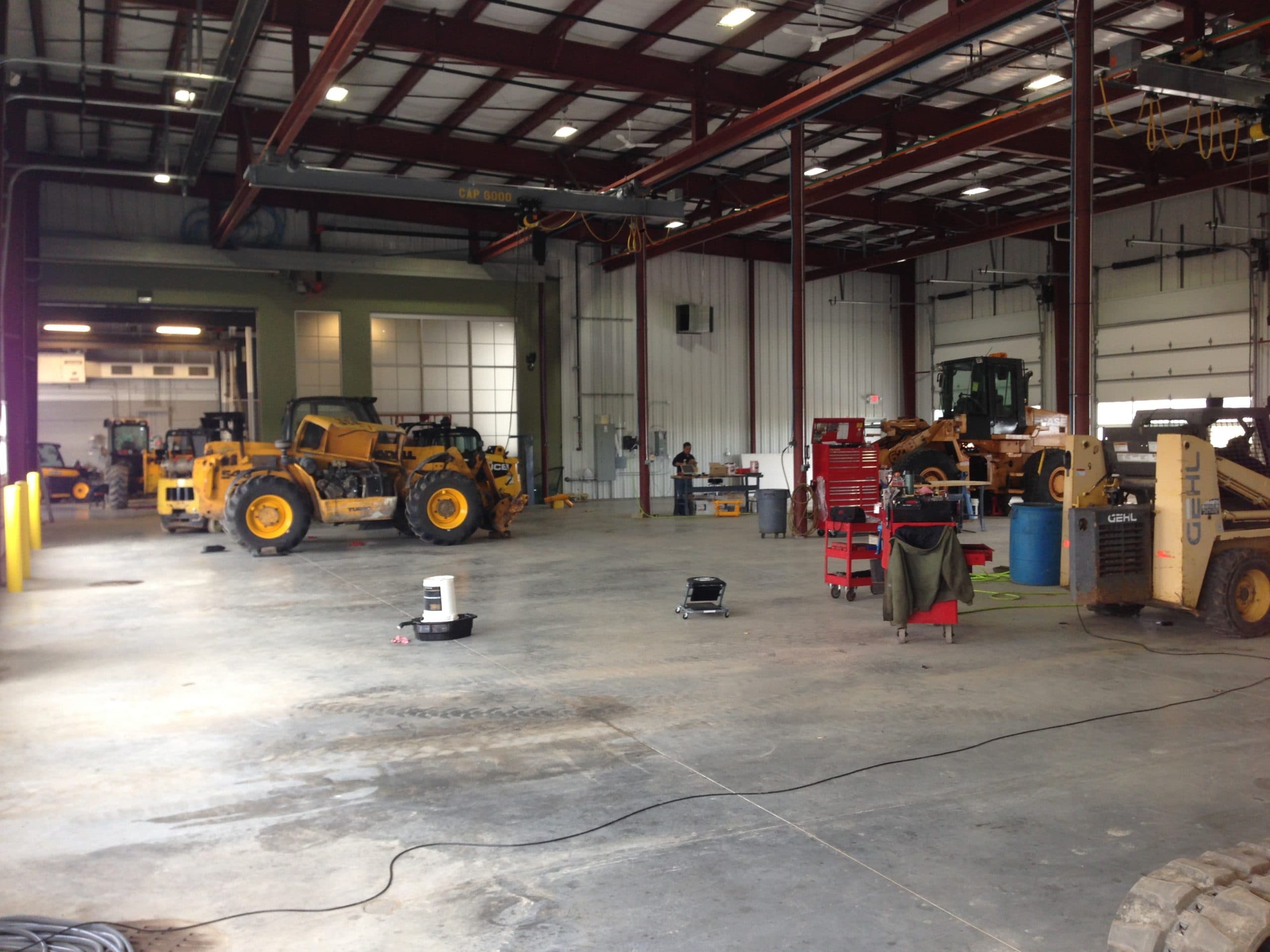
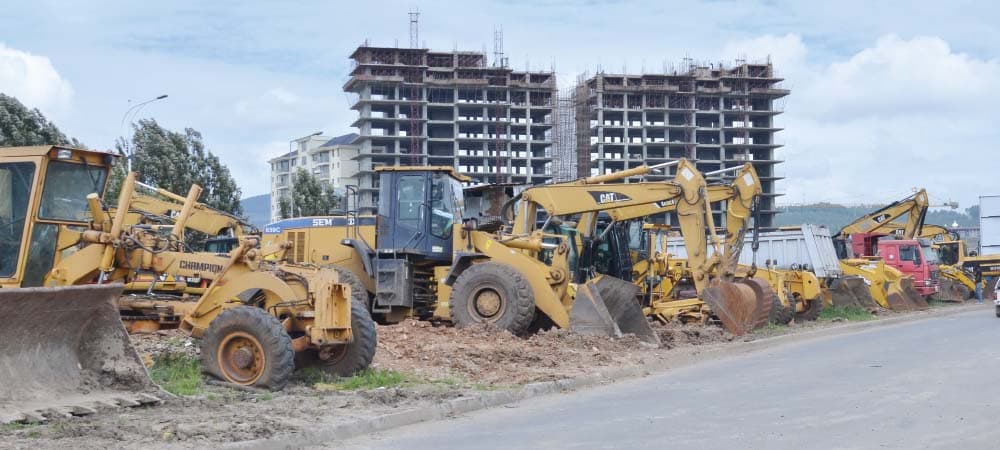
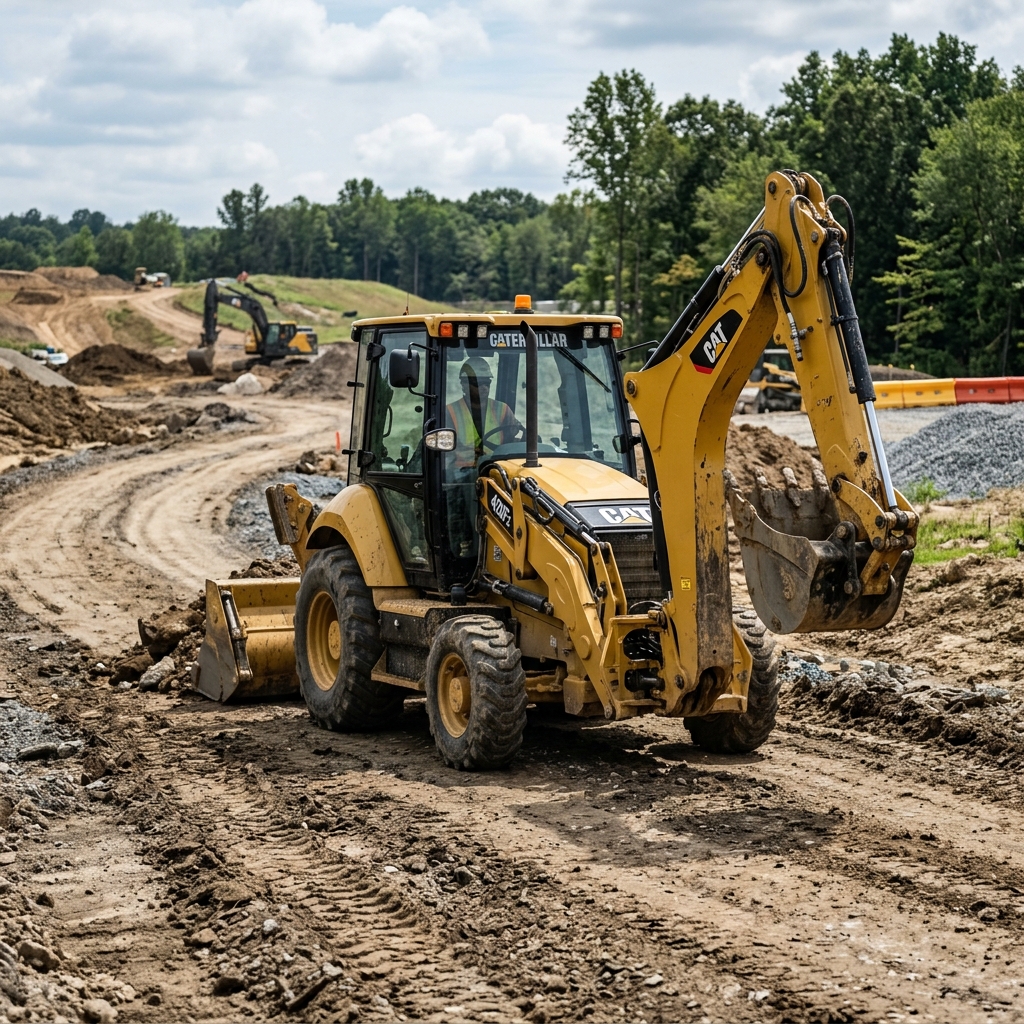
The Ethiopian rental market covers most categories of earthworks and construction equipment: excavators (chain and wheel, with or without jackhammer attachments), dozers, graders, wheel loaders, backhoes, rollers and compactors, cranes, water trucks, generators, and concrete equipment like mixers and vibrators. Availability tends to be strongest in and around Addis Ababa, with equipment mobilized to regional sites as needed mobilization cost is usually a separate line item worth clarifying upfront.
3. How the Market Is Structured
Unlike markets dominated by a handful of large equipment rental companies, much of Ethiopia's machinery rental activity happens directly between contractors and individual equipment owners, coordinated through classifieds sites, Facebook groups, and word of mouth, alongside a smaller number of structured rental and contracting firms with fleets and formal booking systems. The owner-direct route tends to be more flexible and negotiable on price, but rarely comes with a standard contract, breakdown coverage, or guaranteed availability. A structured rental provider costs more in some cases, but offers more predictable uptime and accountability across a multi-month project.
4. Rental Structures to Understand
Machinery rental in Ethiopia is generally priced by the hour, by the month, or as a negotiated project rate for longer contracts. Short-term or single-day rentals carry a premium per hour, since owners price in idle risk between jobs, while monthly rentals typically work out cheaper per operating hour. Some quotes include fuel and an operator; others cover the bare machine only, leaving the renter to arrange both this distinction alone can shift the effective cost of a rental significantly, so it's one of the first things worth confirming.
5. What to Confirm Before Signing
Because so much of the market is informal, a short list of questions can prevent costly surprises: Is fuel included? Is an operator included, and are they insured? What are the machine's current engine hours, and is there a maintenance record? What happens if the machine breaks down mid-contract is downtime billed? Is VAT included in the quoted rate or added separately? Getting these answers in writing, even for a short rental, puts a contractor in a far stronger position than relying on a verbal quote.
6. Matching Rental Strategy to Fleet Needs
Most growing contractors in Ethiopia don't rely on a single approach they mix owned equipment for core, high-utilization machines with rented equipment for medium-term project needs and short-term or specialized requirements. Getting this mix right, and knowing which rental route (owner-direct vs. a structured provider) fits which need, has a direct impact on cash flow and bidding flexibility.
Outlook
As Ethiopia's construction pipeline continues to grow, machinery rental will remain one of the most active parts of the sector and one where doing a bit of homework on rental structure and provider reliability pays off quickly. YAMA Construction's rental team works directly with contractors to structure equipment access with transparent terms and maintained fleet availability, for projects of any size.
To discuss rental options for your next project, contact our team.